In the competitive retail environment, presentation matters immensely. Retailers seek displays that captivate customers while efficiently organizing products. Cardboard racks have emerged as a popular choice for many brands. But what makes a cardboard rack "retail ready"? It’s not just about being sturdy or visually appealing. Effective designs must facilitate ease of use and maximize product visibility.
Key features include vibrant graphics and an intuitive layout, which can drive customer engagement. Additionally, sustainability plays a vital role. Eco-friendly materials attract today’s conscientious buyers. But there’s more to this topic than meets the eye—finding the right balance between functionality and aesthetics can be challenging.
Ultimately, the question remains: Does the rack truly enhance the shopping experience? Retailers must evaluate performance and adaptability continually. As the market shifts, so must the design strategies behind cardboard racks. Staying aware of these elements ensures that brands present their products effectively and attractively.
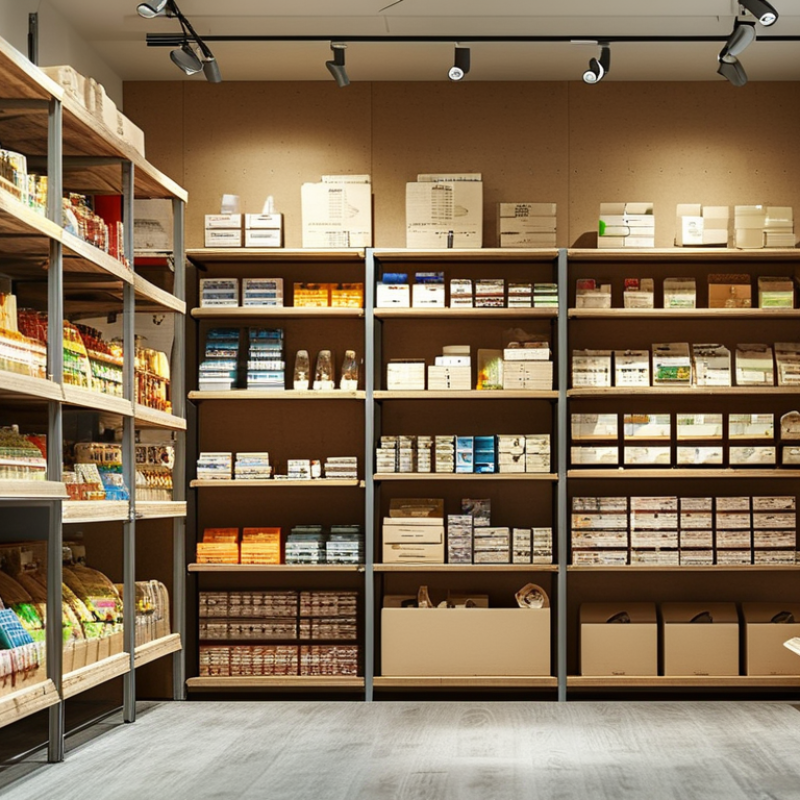
Cardboard racks are an essential fixture in retail environments, designed for both functionality and visual appeal. One key characteristic is their lightweight nature. This allows retailers to move and reposition them easily. Additionally, the versatility of cardboard allows for custom designs, enabling brands to create unique displays. These racks can highlight promotions effectively, capturing the attention of customers.
Durability is another crucial factor. While cardboard may seem fragile, high-quality options can withstand daily use. Reinforced edges and smart design minimize wear and tear. Another notable feature is their eco-friendliness. Cardboard is recyclable, thus appealing to environmentally conscious consumers. This characteristic also aligns well with modern retail trends focusing on sustainability.
Moreover, cardboard racks can be printed with vibrant graphics to enhance brand recognition. They affordably convey a message or theme, becoming an integral part of the shopping experience. However, some retailers may overlook the importance of strategic placement. A well-placed rack can increase foot traffic significantly. Reflecting on these benefits can aid retailers in optimizing their sales strategies.
| Feature | Description | Benefits |
|---|---|---|
| Lightweight | Easy to handle and transport | Reduces shipping costs |
| Customizable Design | Can be printed with branding or promotional graphics | Enhances brand visibility |
| Eco-Friendly Materials | Made from recyclable materials | Supports sustainable practices |
| Cost-Effective | Low manufacturing cost | Affordable for retailers |
| Easy Assembly | Simple construction process | Saves time in setup |
| Adjustable Shelving | Shelves can be repositioned | Accommodates various products |
| Durability | Designed to hold weight and resist damage | Long-lasting in retail environments |
| Compact Design | Space-efficient layout | Maximizes retail space |
| Portability | Can be moved easily | Ideal for changing displays |
| Versatile Uses | Suitable for various types of products | Adapts to different retail needs |
: Durability depends on high-quality materials and precise engineering. Good design supports heavy products without bending.
Racks experience bumps and jostles in retail environments. Their ability to withstand this indicates reliability.
A visually attractive rack uses vibrant colors and eye-catching graphics. Colors can evoke specific emotions and influence shoppers.
It should display products efficiently. Clear signage and organization help customers find items quickly without frustration.
No, some designs lack reinforcement. This can lead to early wear and failure. Testing variations helps identify the best options.
Sustainability meets consumer demand for eco-friendly products. It reduces carbon footprints and enhances overall environmental responsibility.
Some use chemical additives that compromise eco-friendliness. Evaluating material choices is crucial for genuine sustainability.
Balancing aesthetics with functionality is key. Overly complex designs can confuse customers, whereas simple layouts enhance convenience.
Using recycled materials lowers energy consumption significantly. This helps minimize greenhouse gas emissions during production.
Investing in eco-friendly innovations is essential. Awareness and accountability in manufacturing processes encourage true sustainability.
What makes a cardboard rack "retail ready" involves several key characteristics that enhance its functionality and appeal in retail environments. Durability and strength are essential attributes, allowing these racks to support various retail products without compromising structural integrity. Additionally, the design aesthetics play a crucial role in attracting customers; visually appealing racks can significantly enhance product visibility and encourage purchases.
Moreover, ease of assembly and disassembly is vital for retailers who often need to rearrange their displays for promotions or seasonal changes, providing the necessary flexibility. Sustainability and eco-friendliness in the production of cardboard racks add another layer of appeal, aligning with the growing consumer preference for environmentally conscious products. Together, these features ensure that cardboard racks not only meet the expectations of retailers but also effectively engage shoppers, making them a practical choice in retail settings.

 D-Strom Rack