In the competitive retail landscape, understanding "Why retail stores prefer lightweight cardboard racks" is crucial for effective merchandising. Industry expert Dr. Jane Thompson, a renowned retail strategist, once said, "Lightweight materials revolutionize space management in stores." This highlights the practicality and efficiency lightweight cardboard racks bring to retail environments.
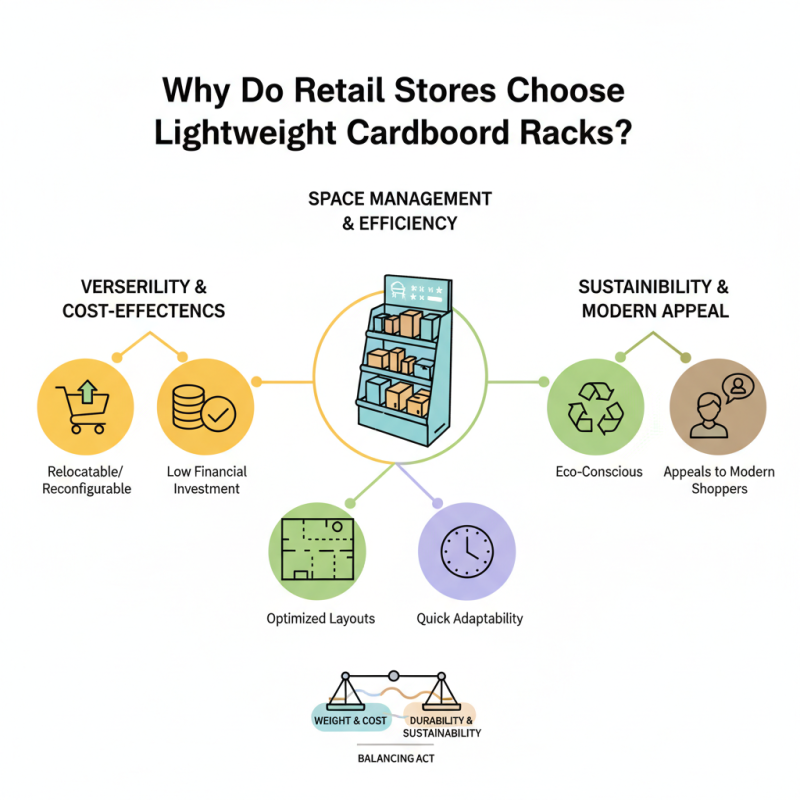
Many retailers are drawn to these racks due to their versatility and cost-effectiveness. They can easily be relocated or reconfigured, adapting swiftly to changing merchandise displays. This flexibility allows retailers to optimize their layouts, enhancing the shopping experience without significant financial investment. However, some may overlook the durability aspect. While lightweight, these racks must still meet the demands of a busy retail setting.
Moreover, cardboard racks often symbolize sustainability, appealing to eco-conscious consumers. However, the reliance on cardboard raises questions about longevity. Retailers must strike a balance between weight, cost, and sustainable practices. This exploration of lightweight cardboard racks shows a growing trend in retail that demands reflection on how stores can innovate while maintaining strength and reliability.
Benefits of Lightweight Cardboard Racks for Retail Stores
Lightweight cardboard racks have gained popularity in retail environments due to their numerous advantages. These racks are easy to transport, making them ideal for stores that frequently change displays. Retailers appreciate how simple it is to set them up and take them down, often requiring no additional tools. This flexibility allows for spontaneous promotions, helping to capture customer interest quickly.
Moreover, lightweight cardboard is surprisingly durable for its weight. It can hold various products, from small items to larger goods, without collapsing under pressure. Retailers also find it cost-effective, as these racks are typically less expensive than other materials. However, some may worry about their longevity. If exposed to moisture or rough handling, these racks can deteriorate. Retailers should consider these factors when planning their displays.
Incorporating sustainable practices is another reason for the shift toward cardboard racks. They are often made from recycled materials and can be recycled after use. This appeals to eco-conscious consumers. However, the balance between cost and sustainability can sometimes be tricky. Retailers must weigh immediate savings against long-term environmental impact. Overall, lightweight cardboard racks offer a blend of practicality and sustainability that can enhance the retail experience.
Environmental Sustainability of Cardboard Racks in Retail
Lightweight cardboard racks are gaining attention in retail for their environmental benefits. These racks often use recycled materials, reducing waste. According to a report by the Environmental Protection Agency, cardboard recycling saves over 17 million trees annually. This significant statistic highlights the sustainability of cardboard as a packaging material. Retailers can minimize their carbon footprint by opting for cardboard over plastic alternatives.
Another aspect to consider is the lifecycle of cardboard. Cardboard is biodegradable, unlike plastic, which can take centuries to decompose. When retail stores choose lightweight cardboard racks, they are actively contributing to a more sustainable planet. Research from the Corrugated Packaging Alliance shows that 89% of cardboard is recycled, indicating a collective commitment to sustainability within the industry.
**Tips:** When selecting displays, consider their entire lifecycle. Look for options that are both lightweight and recyclable. Small changes in choice can lead to a bigger impact on sustainability. Remember, engaging customers with eco-friendly values can enhance brand loyalty. Each store's decision can influence broader environmental efforts.
Environmental Sustainability of Cardboard Racks in Retail
Cost-Effectiveness of Using Cardboard Racks in Retail Settings
Retail stores are increasingly opting for lightweight cardboard racks due to their impressive cost-effectiveness. These racks are significantly cheaper than traditional wooden or metal displays. They are not only budget-friendly but also easy to transport. Retailers can save on shipping costs, and setup requires minimal effort. This approach creates an immediate impact on overall expenses.
The affordability of cardboard racks does come with some challenges. While they are lightweight and functional, their durability might be questioned. Stores must consider how often they can reuse these racks before they wear out. Cardboard can easily suffer from wear and tear if not handled properly. This raises questions about long-term cost-effectiveness. Retailers may need to balance initial savings against potential replacements.
Some assign great importance to the aesthetic value of their displays. Lightweight cardboard allows for colorful, creative designs that attract customers. However, as these racks evolve, the reliability of the materials remains a concern. Retailers should conduct vendor research to ensure they select quality options. There’s an ongoing dialogue about the trade-offs between cost, design, and sturdiness. Addressing these considerations is vital for any retail business aiming for success.
Flexibility and Customization Options for Cardboard Displays
Lightweight cardboard racks offer incredible flexibility and customization options that greatly benefit retail stores. According to a report by Smithers Pira, the global market for point-of-purchase displays is expected to exceed $40 billion by 2024. Cardboard displays allow retailers to quickly adapt to seasonal changes and promotional events. Stores can easily modify designs to reflect current trends, ensuring that their displays remain appealing and relevant.
Customization is not just about aesthetics; it also accommodates various product sizes and shapes. A study from the Packaging Association indicates that 65% of consumers are attracted to products displayed in well-designed packaging. This statistic underscores the importance of tailored displays. Retailers can incorporate brand colors, logos, and unique graphics, enhancing brand visibility while appealing to customers' emotions.
Despite these advantages, some retailers face challenges with durability and weight-bearing capacity. Cardboard may not withstand heavy items for long periods. Reflecting on these limitations will lead to better material choices in the future. Perhaps combining lightweight cardboard with more robust supports could yield a stronger solution. Retailers must consider how these displays can maintain integrity while remaining versatile.
Impact of Lightweight Structures on Store Layout and Customer Experience
Lightweight cardboard racks are increasingly popular in retail environments. These structures offer versatility and enhance store layouts significantly. Their lightweight nature allows quick rearrangements to adapt to changing merchandise or seasonal displays. This flexibility can lead to a more engaging shopping experience for customers.
One major benefit of lightweight racks is how they create open spaces. Customers feel less cramped and can navigate the aisles more easily. A well-organized layout encourages customers to explore more products. However, it’s essential to balance aesthetics and practicality. Racks that are too sparse might make the store feel disorganized or unwelcoming.
Tip: Consider the theme of your store when choosing rack designs. For instance, eco-friendly styles resonate well with sustainability-focused brands.
Incorporating lightweight racks helps in visual merchandising. They can highlight special promotions or seasonal items effectively. Still, it’s crucial to maintain stability. Racks must securely hold products without tipping over.
Tip: Use heavier items at the bottom and lighter ones at the top for better stability.
Reflecting on these details can elevate the shopping experience. Each element should enhance customer satisfaction while driving sales growth.
FAQS
: They are easy to transport and set up, ideal for changing displays.
They can hold various products but may collapse under pressure if overloaded.
Yes, they are typically less expensive than racks made from other materials.
Cardboard racks can be made from recycled materials and are recyclable after use.
Recycling cardboard saves trees and reduces waste, benefiting the planet.
No, they can deteriorate if exposed to moisture or handled roughly.
Yes, evaluating the entire lifecycle can lead to more sustainable choices.
Eco-friendly values can enhance brand loyalty and attract environmentally conscious consumers.
Small changes can lead to a larger positive impact on sustainability efforts.
Yes, their flexibility allows for quick setup, capturing customer interest effectively.
Conclusion
Retail stores increasingly prefer lightweight cardboard racks due to their numerous advantages. These racks not only offer significant cost savings compared to traditional display options but also contribute positively to environmental sustainability. Made from recyclable materials, cardboard racks help retailers promote eco-friendly practices, which resonate well with today’s environmentally conscious consumers. Additionally, the flexibility and customization options available with cardboard displays allow stores to create eye-catching setups that can easily adapt to changing merchandise and seasonal promotions.
Moreover, the impact of lightweight structures on store layout enhances customer experience by allowing for creative arrangements that improve traffic flow and visibility. By choosing lightweight cardboard racks, retail stores can optimize their display strategies while maintaining an appealing aesthetic and promoting sustainability. This combination of factors explains why retail stores prefer lightweight cardboard racks as a practical and effective solution for their display needs.

 D-Strom Rack