As global awareness of environmental sustainability grows, eco-conscious consumers are increasingly focused on their purchasing decisions. According to a 2022 report by Statista, over 60% of consumers prefer products that are environmentally friendly. This trend reflects a significant shift toward sustainable practices. In this context, recycled paper racks have emerged as a popular choice among these buyers.
Why recycled paper racks attract eco-conscious buyers is linked to their numerous benefits. They not only reduce waste but also save trees and energy. The Environmental Protection Agency states that recycling one ton of paper can save about 17 trees and 4,100 kilowatts of electricity. These figures resonate with individuals committed to reducing their carbon footprint. However, consumers also face challenges in finding quality recycled products.
While many options exist, not all recycled paper racks are created equal. Buyers often report concerns about durability and aesthetics. Striking a balance between environmental impact and product performance remains an ongoing discussion. By addressing these concerns, manufacturers can better meet the needs of eco-conscious customers, further driving the demand for sustainable solutions.
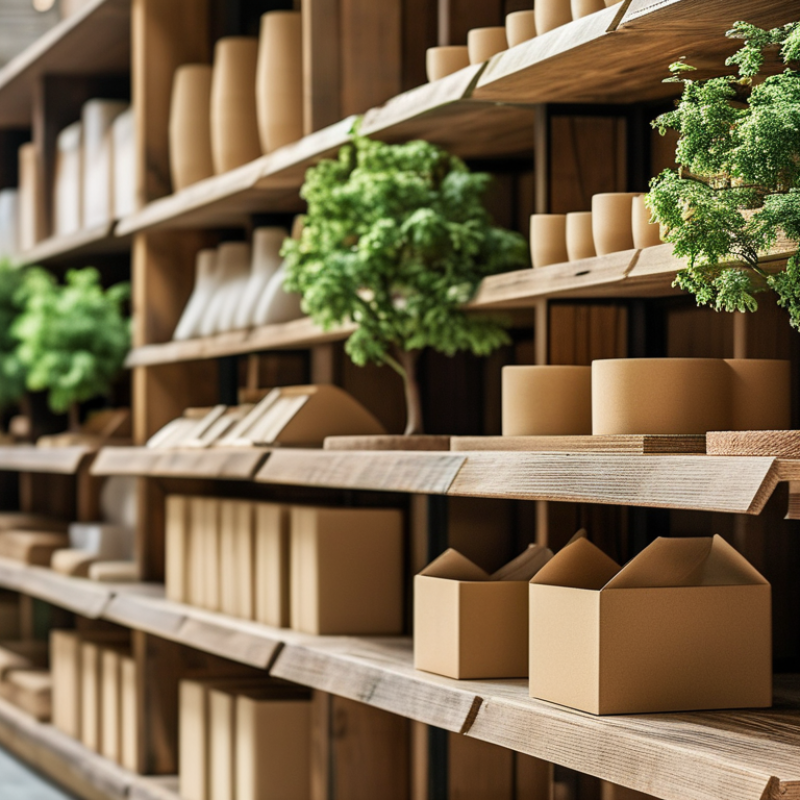
Eco-conscious consumers are becoming a dominant force in today’s market. Their preferences heavily influence purchasing decisions. According to a 2022 Nielsen report, 73% of global consumers say they would change their consumption habits to reduce environmental impact. This growing trend highlights the importance of understanding what motivates eco-conscious buyers.
Recycled paper racks are increasingly preferred due to their alignment with sustainable values. Consumers appreciate that these products help reduce landfill waste. A study by the Paper & Packaging Board found that 60% of buyers actively seek products made from recycled materials. This demand underscores a commitment to sustainability, as well as an understanding of the environmental cost of paper production. Consumers are not just buying a product; they’re embracing a lifestyle choice that reflects their values.
However, there are gaps in awareness around certifications and product sources. Many consumers may believe that all recycled papers are equal, which is not true. This misconception can lead to disappointment if the products do not meet environmental standards. Discrepancies in quality and sourcing can create conflict in purchasing decisions. As the market evolves, educating consumers about the qualitative differences in recycled products will remain essential for fostering trust and loyalty.
: Eco-conscious consumers prioritize sustainability, seeking products that minimize environmental impact. They often change habits to reflect these values.
They help reduce landfill waste and align with sustainable values. Consumers appreciate their role in promoting a greener lifestyle.
No, many consumers mistakenly believe all recycled papers are equal. Differences in quality and sourcing exist, affecting satisfaction.
While the initial cost may be higher, recycled products are often durable, leading to lower long-term replacement costs.
Using recycled materials can reduce production costs and lower energy expenses, benefiting businesses financially.
Yes, the availability and quality of recycled paper racks can fluctuate, posing challenges for eco-conscious buyers in making choices.
It's crucial. Educating consumers helps clarify quality differences and builds trust in sustainable purchasing decisions.
They may struggle with gaps in certification knowledge and quality awareness, leading to potential disappointment with purchases.
Not necessarily. While they can lead to savings, initial costs may deter some consumers seeking immediate financial benefits.
The article "Why Do Eco-Conscious Buyers Prefer Recycled Paper Racks?" delves into the motivations behind eco-conscious consumers' preferences for recycled paper products. It begins by exploring the values that drive these consumers, highlighting their commitment to sustainability and environmental responsibility. The benefits of choosing recycled paper, including reduced waste and lower carbon footprint, reinforce their purchasing decisions.
Furthermore, the economic aspects of opting for recycled paper racks are analyzed, emphasizing cost-effectiveness alongside environmental impact. The article also discusses how brands that utilize recycled paper can enhance their image and build consumer trust. Finally, it examines alternatives to recycled paper racks within broader sustainable practices, illustrating that eco-conscious buyers are not only attracted to the product's environmental benefits but also to the assurance that their purchasing choices align with their values. Ultimately, the article answers the question of "Why recycled paper racks attract eco-conscious buyers" by showcasing the intersection of values, economic considerations, and brand credibility.

 D-Strom Rack