In recent years, sustainability has emerged as a key focus for many businesses. Companies are increasingly turning to eco-friendly solutions. This shift is driven by rising consumer awareness and the necessity to reduce environmental impact. "Why are corrugated racks eco-friendly" is an important question in this movement.
Corrugated racks, made from recycled materials, play a significant role in sustainable warehousing. According to industry reports, using these racks can decrease carbon emissions by up to 30%. Their lightweight design also reduces transport energy consumption. Businesses can enhance their green credentials while optimizing storage efficiency.
However, it's crucial to acknowledge the challenges. Not all manufacturers prioritize sustainable practices. The quality of recycled materials can vary significantly. It raises questions about durability and long-term reliability. Companies must carefully assess suppliers to ensure high standards are met. Striving for eco-friendliness requires ongoing commitment and reflection.
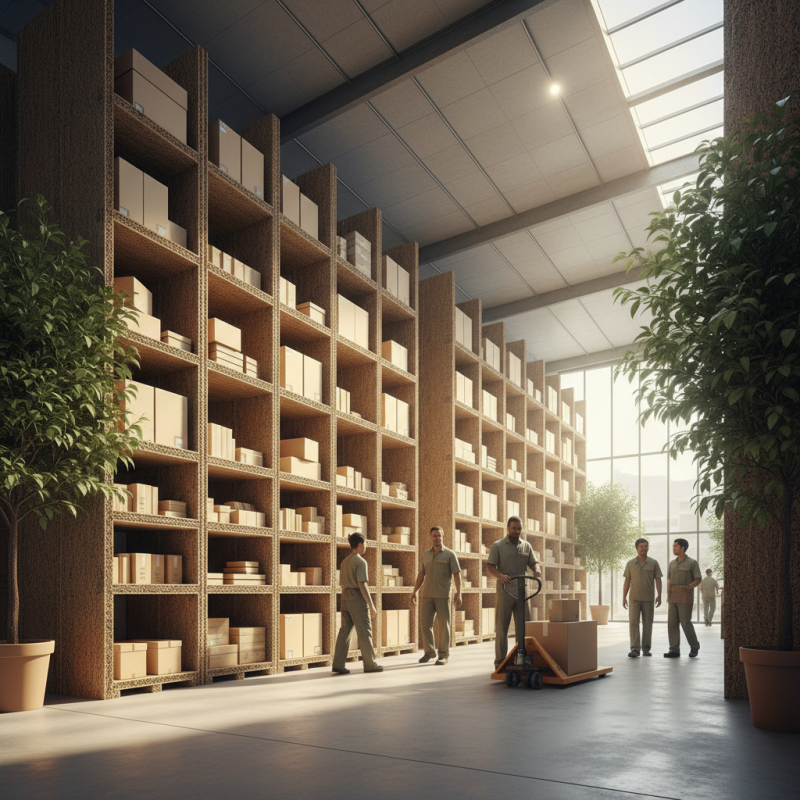
Corrugated racks offer a sustainable alternative to traditional shelving solutions. Made from recyclable materials, they support environmental goals effectively. Their lightweight design reduces energy consumption during transportation. This is a significant step toward lowering carbon footprints.
Using corrugated racks can minimize waste significantly. When these racks reach the end of their life cycle, they can be easily recycled, diminishing landfill contributions. Additionally, they are often produced using sustainable manufacturing practices. This leads to reduced water and energy use. Implementing corrugated racks helps businesses contribute positively to environmental sustainability.
Tips: Evaluate local recycling facilities for corrugated materials. This ensures proper disposal. Review the sourcing of your racks to ensure they are made from recycled content. Invest in durable designs to maximize their lifespan and reduce environmental impact.
Eco-friendly corrugated racks are gaining attention for their sustainable material use. These racks are typically made from recycled paper, which is a renewable resource. This helps reduce waste and energy consumption. The production process often involves fewer chemicals compared to traditional racks. As a result, the environmental footprint is significantly lower. Manufacturers aim for minimal impact on the planet.
The creation of corrugated racks begins with pulping recycled paper. This step is key. It transforms waste paper into usable material. The paper is then pressed and dried into sheets. This process reduces water usage. However, some facilities still face challenges, like energy consumption during drying. Innovations are essential to address these issues.
Despite their advantages, some concerns remain. For example, the durability of corrugated racks can be less than that of wood or metal. They might not hold up under heavy loads. Some design flaws can affect stability. Continuous research is necessary to enhance their design and strength. The goal is to make eco-friendly options not just sustainable, but effective for diverse needs.
Corrugated racks are gaining attention as eco-friendly storage solutions. Their design promotes energy efficiency through lightweight materials that require less energy for transport and installation. According to a recent study, using corrugated racks can reduce carbon emissions by up to 20% compared to traditional metal shelving. This efficiency makes them a popular choice in warehouses looking to cut costs and environmental impact.
Moreover, corrugated racks are highly customizable. They can be easily adjusted to fit various storage needs, reducing waste from non-optimized spaces. The lifespan of these racks is substantial, often exceeding five years. When they do reach the end of their lifecycle, they are typically recyclable, further supporting waste reduction. The recycling rates for corrugated materials stand at 85%, significantly higher than plastic alternatives.
Despite their advantages, some companies still hesitate to adopt corrugated racks fully. Concerns about durability and weight capacities linger. In reality, with proper design and materials, these racks perform reliably. Their potential for reducing energy consumption and waste should be compelling enough for more businesses to make the switch. Transitioning to corrugated solutions may not be seamless, but the long-term benefits significantly outweigh the initial uncertainties.
Corrugated racks are gaining popularity as eco-friendly storage solutions. Their key advantage is their recyclability. Made from paper-based materials, these racks can be easily recycled. This reduces the waste associated with traditional shelving options. Once they reach the end of their life cycle, they don’t linger in landfills. Instead, they can be transformed into new products.
The lifecycle of corrugated racks is particularly noteworthy. They are lightweight and durable, making them easy to transport. This helps reduce carbon emissions during shipping. However, it is essential to recognize that not all corrugated materials are created equal. Some may incorporate additives that complicate recycling efforts. As a result, consumers must seek out responsibly sourced options.
While corrugated racks bring numerous benefits, they also require ongoing evaluation. Users should consider how often they need replacements. Frequent changes can offset their environmental advantages. Thoughtful use and awareness of sourcing practices are vital. Each decision counts in the journey toward sustainability.
Corrugated racks are emerging as a sustainable alternative to traditional storage solutions. Made from recyclable materials, they reduce landfill waste significantly. In contrast, traditional metal or plastic racks often take centuries to decompose. This eco-friendly nature is crucial in today’s world, where companies are urged to lower their environmental footprints.
Another point to consider is the adaptability of corrugated racks. They can be customized to fit diverse storage needs. Traditional racks may not offer the same flexibility, often leading to inefficient use of space. While some find corrugated racks less sturdy than their metal counterparts, many users appreciate their lightweight design. This ease of handling can lead to faster setup times and improved workflow efficiency, despite potential concerns about durability.
The cost of implementation is another aspect worth examining. Corrugated racks can be more affordable upfront compared to traditional materials. However, companies must weigh initial savings against long-term durability. In some cases, corrugated options may need to be replaced more frequently. This balance of cost and environmental impact requires careful consideration and reflection by businesses committed to sustainability.
: Corrugated racks are made from recyclable materials, promoting sustainability.
Their lightweight design lowers energy consumption during transport, reducing carbon emissions.
They can be easily recycled, minimizing waste in landfills.
They can reduce carbon emissions by up to 20%, making them eco-friendlier.
Some worry about their durability and weight capacities affecting performance.
They often last over five years, providing long-term storage solutions.
They can be adjusted to suit various storage needs, reducing waste.
The recycling rate for corrugated materials is around 85%, much higher than plastics.
Evaluate the recycled content and ensure the racks come from sustainable practices.
Yes, the transition may be challenging, but the environmental benefits are worth it.
Corrugated racks are increasingly recognized as eco-friendly solutions due to several key factors that contribute to environmental sustainability. The benefits of using these racks lie in their production processes, which utilize renewable materials that minimize resource consumption and emissions. Additionally, their design promotes energy efficiency and waste reduction, making them a preferable choice for businesses seeking to enhance their green initiatives.
Energy efficiency is further amplified through the lightweight nature of corrugated racks, which simplifies transport and reduces fuel consumption. Their recyclability and long lifecycle also play a vital role in minimizing environmental impact, as they can be repurposed or recycled at the end of their lifespan. Ultimately, when conducting a comparative analysis of corrugated racks versus traditional storage solutions, one can clearly see why are corrugated racks eco-friendly, offering a sustainable alternative for modern storage needs.

D-Strom Rack