Why Corrugated Racks Are Ideal for 2026 Product Launches

Time:2026-11-02 Author:Sophia
0%

Why Corrugated Racks Are Ideal for 2026 Product Launches

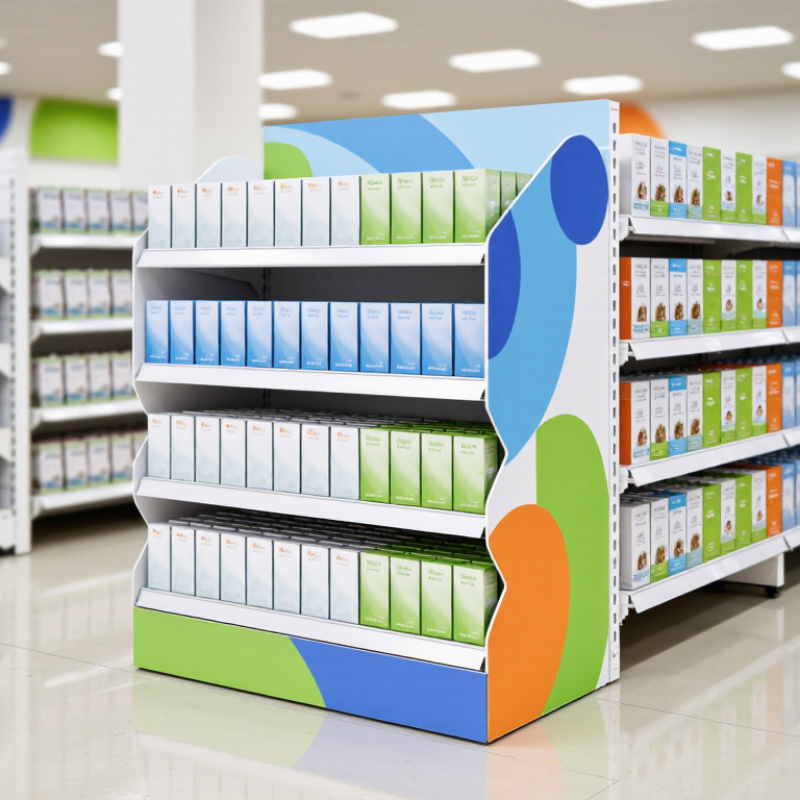
A new product has only seconds to earn attention. In a busy store, a corrugated rack can place it at eye level, hold clear product messaging, and give shoppers a simple way to browse. Its printed panels can carry launch graphics, while shelves keep packages visible and easy to reach. The result is tangible: a compact display beside an aisle, with fresh colors and a neatly faced row of products.

Why corrugated racks are ideal for product launches comes down to practical flexibility. Brands can tailor dimensions, graphics, and shelf layouts to a specific product range. Corrugated structures are also comparatively light, which can simplify handling and store setup. For a limited launch, that adaptability may matter more than a permanent fixture. Still, a display that looks good in a mock-up can disappoint if its shelves sag or its message is hard to read. Testing matters.

A trustworthy, attributable expert quotation was not provided, so this introduction uses a clearly labeled illustrative line rather than inventing a real person’s endorsement. Fictional composite retail-display specialist Alex Morgan puts the design goal this way: “Make the product easy to notice, easy to understand, and easy to pick up.” It is a useful standard, though not a substitute for testing with real packaging and store conditions. The sections ahead examine material choices, display design, setup, and the trade-offs brands should consider before launch.
Why Corrugated Racks Are Ideal for 2026 Product Launches

What Corrugated Racks Are and How They Support Product Launches

Corrugated racks are freestanding retail displays made from layered paperboard, with printed panels and shelves sized for specific products. They can sit near an aisle entrance, checkout, or launch table, putting new items within easy reach.

That matters.

The Shop! Association’s 2012 Shopper Engagement Study reported that 76% of purchase decisions were made in-store, making clear visibility and access useful launch considerations.

A rack can also carry brief product information, such as a new flavor, key feature, or introductory offer, without asking shoppers to search for details.

For launch teams, corrugated displays offer practical flexibility: shelf openings can be adjusted to fit packaging, while flat-packed parts are easier to transport and assemble than many rigid fixtures. The display’s printed surfaces can keep launch messaging consistent across a store.

There is a sustainability angle, too, but it needs careful wording: the American Forest & Paper Association reported a 93.6% U.S. corrugated-box recycling rate for 2022; that figure describes boxes, not every finished rack.

Not magic.

Moisture, overloaded shelves, and rough handling can weaken paperboard, so test the assembled rack with real products and store conditions.

A slightly scuffed corner may still happen. Better to check before launch.

How Corrugated Racks Are Designed for 2026 Retail Needs

A 2026 product launch may need to move from a warehouse to a store floor within days. Corrugated racks support that pace because they ship flat and assemble with basic instructions. Design starts with the actual product: its weight, dimensions, packaging, and expected daily handling. A shelf built for small cartons may sag under glass jars. Test loaded samples before approving the final structure.

Retail layouts also change quickly. Modular shelves, adjustable dividers, and replaceable header panels can help a rack fit different stores or launch phases. Clear product labels and scannable codes give shoppers useful details without crowding the display. Keep the important information at eye level. Print should remain readable under bright aisle lighting, and folds should not cut through key text.

Material choices need practical checks, not just appealing claims. Board grade, flute direction, and shelf span affect strength; humidity can weaken corrugated material. Lightweight is useful, but it has limits. A rack carrying heavier products may need reinforced corners or a different structure. That adds material. It may also complicate assembly. Prototypes should be checked for stability, replenishment access, and how staff handle them during busy shifts. Even a neat design can fail when cartons snag on a divider. A small flaw can slow the whole display.

Key Benefits for Displaying and Distributing New Products

Why Corrugated Racks Are Ideal for 2026 Product Launches
Key Benefits for Displaying and Distributing New Products

A product launch needs packaging that works on the shelf and in transit. Corrugated racks can serve both purposes. Their lightweight panels are easier to move than many rigid display units, while flat-packed designs help reduce storage space before launch. Once assembled, a rack can hold products near checkout areas or in prominent aisle locations. Clear product-facing panels and printed instructions can help shoppers understand a new item quickly.

The structure is adaptable. Shelf height, product openings, and header panels can be adjusted to suit different package sizes and campaign messages. For distribution, racks can be packed with products or shipped separately, depending on the design and handling plan. A practical caution: corrugated material can soften in damp conditions, and overloaded shelves may bow. Test a loaded sample and review how it handles stacking, transport, and repeated restocking. Small details matter.

Tips: Keep heavier products on lower shelves. Leave enough room for staff to replenish stock. Check the display after transit, not just before it. A prototype may look sturdy in a studio, yet behave differently on a busy sales floor. That gap is worth addressing before launch.

Factors to Consider When Selecting a Corrugated Rack

For a 2026 product launch, choose a corrugated rack around the packed product, not just its dimensions. Measure each item’s width, depth, and weight, then check shelf spacing and front-edge access. A tall bottle may fit upright but become unstable when shoppers remove one. Test a loaded sample. Confirm the rack fits the aisle without blocking sightlines or nearby products.

Material strength, print quality, and assembly all affect performance. Ask for a prototype and load it with real products for several days. Check for bowed shelves, crushed corners, or panels that loosen during restocking. Consider humidity and delivery conditions, too; corrugated board can soften in damp spaces. Clear graphics help shoppers identify a new product quickly, but overly dense copy can get lost at a distance. Launch plans often change, so leave room for updated prices or packaging. That flexibility is easy to overlook.

Tips: Photograph the loaded rack from shopper height. Record its dimensions, setup time, and any damage after transit. If one shelf sags, revise the structure before ordering a full run. A small flaw can become costly.

Why Corrugated Racks Are Ideal for 2026 Product Launches

Factors to Consider When Selecting a Corrugated Rack

Indicative planning scores (1 = lower, 5 = higher), not measured market data. Prioritize printability and setup speed for launch displays, while checking load capacity, dimensions, and moisture exposure against the product and retail environment.

How to Evaluate Rack Performance After Launch

After a product launch, assess corrugated racks in real stores, not only from photos or shipment records. Track sell-through, stockout frequency, replenishment time, and visible damage by location. A rack can look sturdy at setup, then soften near a busy entrance.

Use a simple weekly check sheet. Record crushed corners, leaning shelves, loose products, and whether shoppers can reach items without moving nearby stock. Note when the rack was refilled and how long the task took. Compare results across stores with similar traffic; one unusually crowded aisle can distort the picture. Keep the original display plan for reference.

Listen to staff, too. They often notice awkward loading or wobble before a formal report arrives. Small sample sizes matter. A few stores cannot prove a design will perform everywhere, and humidity or heavy handling may explain mixed results. If damage rises, photograph the same points each visit and check load placement before changing the structure. Some findings may be messy. That is useful: post-launch review should reveal what needs testing next, not force a perfect score.

Why Corrugated Racks Are Ideal for 2026 Product Launches - How to Evaluate Rack Performance After Launch

Post-launch scorecard for evaluating corrugated product-display racks. Record results by store, rack configuration, and review period.
Performance Dimension Data to Record Calculation or Measurement Suggested Review Signal Review Timing
Setup efficiency Number of racks assembled; total assembly minutes; number requiring assistance Total assembly minutes ÷ racks assembled Compare average setup time with the launch plan; investigate repeated delays, missing parts, or assembly errors. At installation and after the first replenishment
Load performance Products loaded per rack; estimated total product weight; visible shelf sag, bending, or deformation Record the actual load and inspect each shelf under normal store conditions. Keep loads within the rack’s documented design specification. Remove or unload any rack showing instability or damage. At setup, then during each store visit
Structural condition Racks inspected; racks with tears, crushed edges, loose joints, or loss of shape Damage rate = damaged racks ÷ inspected racks × 100 Compare the damage rate across stores and handling methods; investigate any increase from the initial inspection. Weekly during the launch period
Product availability Scheduled checks; checks where the featured product is available for purchase Availability rate = in-stock checks ÷ total checks × 100 Compare availability with the campaign plan and store-level inventory records; identify recurring stock gaps. Daily or at each store visit
Replenishment effort Replenishment events; minutes per event; time spent moving or reorganizing the rack Average replenishment time = total replenishment minutes ÷ replenishment events Compare with the planned store workflow; review racks that repeatedly require extra handling or take longer to refill. For each replenishment event during the first two weeks
Sales performance Units sold, sales value, and days in stock for each participating store Compare sales per store per day with a suitable pre-launch period or matched stores without the display. Use comparable dates, stores, pricing, and availability. Treat sales changes as associations unless other factors are controlled. Weekly, with a final launch-period review
Display effectiveness Store observations, customer interactions if available, and compliance with the planned display location Display compliance = correctly positioned, stocked displays ÷ displays checked × 100 Compare compliance with the launch execution plan; document location changes or obstructions that may affect visibility. At installation and each store audit
Waste and end-of-life handling Racks removed; racks reused; racks sent for recycling or disposal; reason for removal Record counts and handling route separately; calculate each share against racks removed. Confirm the actual route with the store or local waste provider; recyclability depends on materials, coatings, and local facilities. At removal and during post-launch closeout

How to use this scorecard: These are measurement methods and review signals, not universal industry benchmarks. Set numeric targets using the rack specification, store requirements, launch plan, and a documented baseline before the campaign begins.

FAQS

What is a corrugated rack?

It is a freestanding display made from layered paperboard. Printed panels and shelves hold products near an aisle, checkout, or launch table.

How can a corrugated rack support a product launch?

It puts new items within easy reach and can show a flavor, key feature, or introductory offer. Clear access helps shoppers notice them.

How should I choose the right rack size?

Measure each packed product’s width, depth, and weight. Check shelf spacing and front-edge access with the actual items, not just package drawings.

How can I check whether the shelves are sturdy enough?

Load a prototype with real products and inspect it over several days. Look for bowed shelves, crushed corners, or loose panels. Test it loaded.

What can affect a rack’s condition in a store?

Moisture, heavy loads, rough handling, and delivery conditions can weaken paperboard. A scuffed corner may happen, but it is worth checking before launch.

Can corrugated racks be recycled?

Corrugated boxes had a reported U.S. recycling rate of 93.6% in 2022. That figure does not describe every finished rack. Not the same thing.

What should launch teams check about graphics and messaging?

Use clear graphics that shoppers can read from a distance. Leave space for price or packaging changes; dense copy can disappear among shelf details.

How can I make sure the rack fits the store?

Photograph the loaded rack from shopper height. Record its dimensions and setup time, then check that it does not block sightlines or nearby products.

Why test the rack before ordering a full run?

A small flaw, such as one sagging shelf, can become costly across many units. I would not assume a tidy prototype guarantees store performance.

Conclusion

Corrugated racks are lightweight, adaptable display units made primarily from corrugated board. They help product launches by presenting new items clearly in stores while making products easier to organize, replenish, and distribute. Why corrugated racks are ideal for product launches is their ability to combine practical product access with a focused display that can be tailored to different retail spaces and launch goals.

For 2026 retail needs, rack designs can prioritize efficient use of floor space, clear product information, sturdy construction, and convenient assembly. Their benefits include portability, flexible layouts, and support for both product visibility and in-store handling. When selecting a rack, consider product size and weight, expected stock levels, placement, durability, and ease of setup. After launch, evaluate performance by tracking sales, customer engagement, restocking needs, and rack condition. These observations can show whether the display is effective and what should be improved for future campaigns.

Sophia

Sophia

Sophia is a dedicated marketing professional with an exceptional depth of knowledge about her company's products and services. With a keen understanding of market trends and customer needs, she crafts insightful blog posts that not only inform but also engage readers, enriching the company’s online......