In 2026, the retail landscape is evolving rapidly, prompting businesses to rethink display strategies. Cardboard racks for snack displays are emerging as a popular choice. According to industry expert Julia Winters, “Cardboard offers flexibility and sustainability that traditional displays lack.” This perspective highlights the innovative shifts in retail.
Why use cardboard racks for snack displays? These racks are lightweight and customizable, allowing brands to engage consumers effectively. Their vibrant prints can create visual interest, drawing attention to snacks. This method not only boosts visibility but also enhances customer experience.
However, some may reflect on durability. Cardboard may not seem as sturdy as wood or metal. Yet, many brands find that when designed well, these racks can withstand regular use. They also reduce waste, aligning with sustainability goals, which is increasingly important to consumers today. Choosing cardboard could be a step toward a more eco-conscious future in retail.
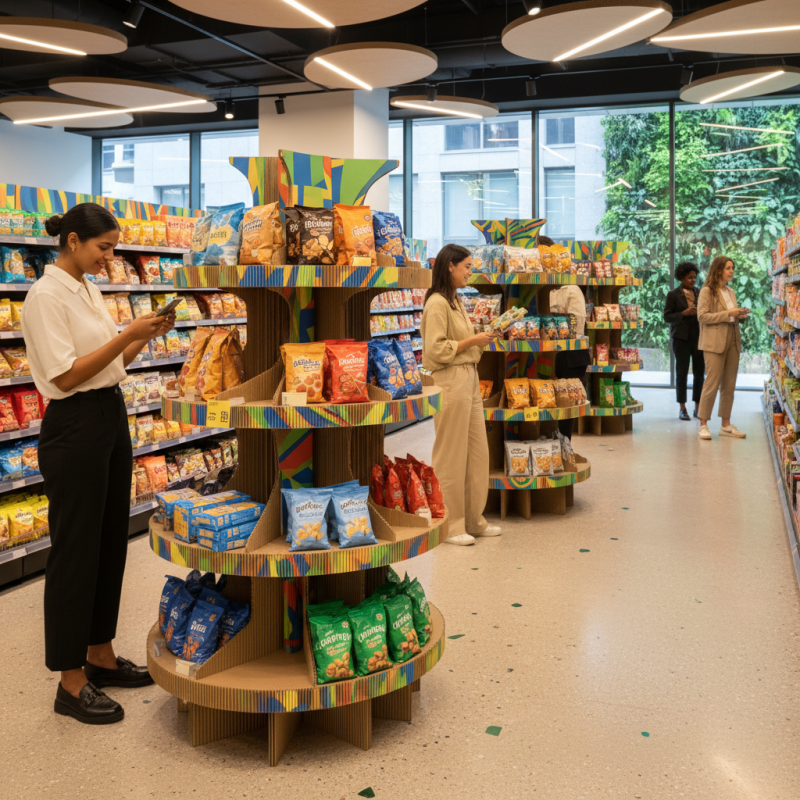
Benefits of Using Cardboard Racks for Snack Displays
Cardboard racks have emerged as a popular choice for snack displays in recent years. They are lightweight and easy to assemble, making them ideal for both retailers and consumers. Store owners can quickly set up these racks without special tools. Plus, the aesthetic appeal of cardboard allows for creative designs that attract customers.
These racks are also eco-friendly, appealing to environmentally conscious shoppers. Made from recyclable materials, they reduce waste and support sustainability initiatives. However, they may not be as durable as metal or wood displays. This can lead to wear and tear in high-traffic areas. Retailers need to assess their needs carefully.
Cost-effectiveness is another significant advantage of cardboard racks. They are generally cheaper than other display options, allowing more budget flexibility. Brands can allocate resources to purchase more racks instead of investing in expensive fixtures. Yet, the trade-off is longevity. Cardboard may require frequent replacement, challenging for some businesses. Finding a balance between cost and quality is crucial for effective displays.
Why Choose Cardboard Racks for Snack Displays in 2026? - Benefits of Using Cardboard Racks for Snack Displays
| Benefit |
Description |
Advantages |
Ideal Use Cases |
| Cost-Effectiveness |
Cardboard racks are generally more affordable than wooden or metal alternatives. |
Lower production costs lead to increased profit margins. |
Small retailers and pop-up shops. |
| Environmentally Friendly |
Made from recyclable materials, reducing carbon footprint. |
Appeals to eco-conscious consumers. |
Organic and health food stores. |
| Customizability |
Easily designed to fit specific branding and display needs. |
Enhances brand visibility and recognition. |
Seasonal promotions and themed displays. |
| Portability |
Lightweight and easy to transport and set up. |
Ideal for events and trade shows. |
Exhibitions and temporary setups. |
| Space Efficiency |
Designed to maximize display space while remaining compact. |
Allows for strategic product placement. |
Small shops with limited space. |
Sustainability and Environmental Impact of Cardboard Materials
Cardboard racks are becoming increasingly popular for snack displays due to their environmental benefits. In 2026, consumers are more eco-conscious. Research shows that 74% of customers prefer sustainable packaging. Cardboard materials, being recyclable and biodegradable, align with this trend. This shift significantly impacts purchasing decisions.
A report from the EPA indicates that cardboard accounts for approximately 23% of municipal solid waste. However, the recycling rates for cardboard are as high as 89%. This highlights the effectiveness of cardboard in reducing landfill waste. Using cardboard racks not only supports sustainability but also enhances a brand’s image. It sends a message that the company cares about environmental well-being.
Despite the strong environmental message, challenges exist. Not all cardboard is created equal. Some forms may still involve harmful chemicals in production. Additionally, there is a need for better recycling infrastructure in certain regions. Proper disposal and recycling must be emphasized to maximize benefits. These hurdles require careful consideration when selecting cardboard displays for snack products.
Design and Customization Options for 2026 Snack Displays
In 2026, snack displays can benefit greatly from the use of cardboard racks. These racks offer a range of design and customization options that cater to diverse marketing needs. Cardboard is lightweight, making it easy to move and reposition within stores. Retailers can choose vibrant colors and unique shapes that capture attention. Bright graphics can highlight product features and promotions.
Customization enables brands to reflect their identity. Personalization can include logos, branding colors, and bespoke designs. Retailers can also experiment with different sizes and configurations. This flexibility allows businesses to optimize their displays for space and target audience preferences. However, it’s crucial to balance creativity with practicality to ensure stability and functionality.
While the design possibilities are exciting, brands should consider durability. Cardboard may not hold up to excessive handling or exposure to moisture. It's important to reflect on the types of environments where these displays will be used. Regular assessments and redesigns may be necessary to maintain visual appeal and effectiveness in merchandising. With careful planning, cardboard racks can significantly enhance the snack display experience in 2026.
Cost-Effectiveness Compared to Traditional Display Solutions
Cardboard racks are gaining popularity for snack displays in 2026. One key reason is cost-effectiveness. These racks are significantly cheaper than traditional display options. Retailers can save money without compromising on aesthetics. The lightweight material allows for easy transportation and setup. This means fewer resources are needed for display changes.
While cardboard displays offer affordability, some may doubt their durability. It's true that cardboard may not last as long as metal or wood. However, modern designs have improved strength and resilience. For temporary promotions, they are perfect. Brands can create eye-catching displays that attract attention. This method often leads to increased snack sales.
Investing in cardboard displays encourages creativity. Retailers can experiment with different designs and sizes. However, over-reliance on cardboard may limit long-term branding efforts. It’s crucial to strike a balance. Effective use of cardboard can lead to a practical, visually appealing solution.
Cost-Effectiveness of Cardboard Racks vs Traditional Display Solutions in Snack Retailing
Marketing Advantages of Cardboard Racks in Retail Environments
In 2026, cardboard racks emerge as a popular choice for snack displays. Their marketing advantages are significant, especially in retail environments. These racks capture attention with vibrant colors and eye-catching designs. Lightweight and easy to assemble, they can be placed anywhere in the store. This flexibility helps maximize product visibility.
Using cardboard racks also aligns with sustainability trends. Many consumers are concerned about the environment. Cardboard is recyclable and often made from recycled materials. Retailers can appeal to eco-conscious shoppers by utilizing eco-friendly display solutions. This not only enhances brand image but also attracts a specific customer demographic.
Tip: Consider the layout of your store when placing racks. Position them near high-traffic areas to boost exposure. Experiment with different placements to find what works best. Keep an eye on sales to gauge effectiveness.
Another important aspect is customization. Personalizing racks with unique graphics can increase brand recognition. Displaying limited-time offers or special promotions can create urgency. Regularly refresh the graphics to maintain consumer interest. This approach helps keep the display relevant and engaging.
Tip: Monitor customer feedback on your displays. Use insights to improve future rack designs. Engage with your audience through surveys to gather valuable information. Constantly refine your approach based on what resonates with customers.
FAQS
: Cardboard racks are lightweight, easy to move, and offer vibrant designs. They attract attention and maximize product visibility in stores.
Customization allows brands to showcase their identity through logos and colors. Unique designs can also reflect target audience preferences.
Cardboard may struggle with excessive handling or moisture. It's essential to assess the display environment regularly.
Place racks in high-traffic areas. Experiment with different placements to find the most effective locations for visibility.
Bright colors and eye-catching graphics create urgency and can enhance brand recognition. Regularly refreshing graphics keeps displays engaging.
Cardboard is recyclable and often made from recycled materials. This appeals to eco-conscious consumers and improves brand image.
Balance creativity with functionality. Displays should be visually appealing yet stable and practical for everyday use.
Monitoring customer feedback provides insights for improvement. Engage through surveys to understand what resonates with your audience.
Conclusion
As retailers look for efficient and eco-friendly solutions, the question of "Why use cardboard racks for snack displays" becomes increasingly relevant in 2026. Cardboard racks offer numerous benefits, including their sustainability and reduced environmental impact compared to traditional materials. These racks can be designed and customized to fit various branding needs, allowing for eye-catching displays that attract consumers.
Moreover, cardboard displays are cost-effective, providing a budget-friendly alternative that doesn’t compromise on quality. Retail environments also benefit from the unique marketing advantages that cardboard racks present, as they can elevate product visibility and encourage impulse purchases. Overall, choosing cardboard racks combines practicality with innovative design, making them a smart choice for snack displays in 2026.

 D-Strom Rack