How to Boost Sales with Point of Purchase Racks in 2026?

Time:2026-09-03 Author:Sophia
0%

In an ever-evolving retail landscape, understanding how to increase sales with point-of-purchase racks is crucial. These racks serve as effective marketing tools, directly influencing buying decisions. They catch the eye of customers, creating opportunities for impulse purchases. The design and placement of these displays can make a significant difference in visibility and engagement.

Retailers must think strategically about their inventory and display methods. Thoughtfully placed racks can highlight new products or seasonal items, drawing attention at just the right moment. This approach encourages shoppers to explore products they might not have considered. However, misjudging customer preferences or overcrowding racks can lead to confusion and missed opportunities.

As the marketplace adapts, continuous evaluation is essential. Retailers should gather feedback and analyze sales data related to point-of-purchase displays. This reflection can reveal what works and what doesn’t. Understanding customer behavior and preferences could provide insights to refine strategies further. With the right adjustments, point-of-purchase racks can be transformed into powerful sales drivers.
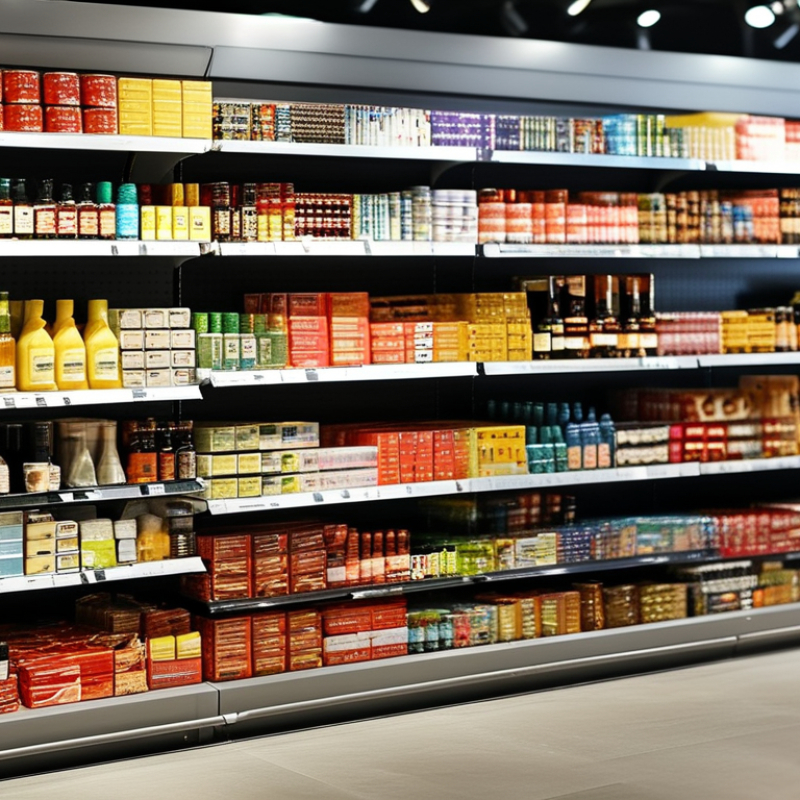
How to Boost Sales with Point of Purchase Racks in 2026?

Understanding Point of Purchase Racks and Their Importance in Retail

Point of purchase racks play a vital role in retail, acting as focal points for consumer engagement. These displays encourage impulsive buying, drawing customers' attention to specific products. In a world where competition is fierce, effective use of these racks can significantly enhance sales. Retailers must consider location, design, and product placement carefully. The right setup can transform a simple product into an irresistible offer.

Understanding customer behavior is key. Research shows that consumers often make decisions based on visual stimuli. Incorporating vibrant colors and signage can magnify that impact. However, not every display is effective. Poorly designed racks may clutter the retail space, confusing customers instead of guiding them. Retailers should regularly assess the effectiveness of their installations. Doing so provides insights into what works and what doesn’t.

Some retailers underestimate size and proportion. A display that is too large can overshadow other products, while one that is too small might go unnoticed. Experimentation is essential. Testing different layouts can reveal preferences and increase engagement. Reflecting on sales data post-implementation ensures continuous improvement and adaptation. Each point of purchase rack is a chance to refine the customer experience.

Key Trends in Retail Sales Strategies for 2026

In 2026, retailers are focusing on creating immersive shopping experiences. Point of purchase racks play a crucial role in this strategy. According to a recent report by the National Retail Federation, about 70% of consumer purchasing decisions occur in-store. Effective use of point of purchase racks can significantly enhance visibility and accessibility, making products more appealing to shoppers.

Data shows that personalized displays increase customer engagement by nearly 40%. Retailers are embracing technology to make racks interactive. QR codes or touch screens can provide additional product information. This tech-savvy approach caters to the evolving expectations of consumers. Yet, not all retailers are adapting at the same pace. Some still rely on traditional displays that fail to captivate today's shoppers.

Moreover, sustainability is becoming vital. Studies indicate that 60% of consumers prefer brands with eco-friendly practices. Using recyclable materials for point of purchase racks not only reduces waste but also attracts environmentally conscious buyers. However, not all retailers are transparent about their sourcing. This discrepancy can lead to consumer distrust and lost sales. Retailers must reflect on their strategies to stay competitive and trustworthy in a rapidly changing market.

Designing Effective Point of Purchase Racks to Attract Customers

Designing effective point of purchase (POP) racks requires a focus on both aesthetics and functionality. Research shows that 70% of purchasing decisions happen in-store. A well-designed POP rack can significantly influence customers at that crucial moment. Bright colors, clear signage, and smart product placement can draw attention. Eye-catching designs can increase sales by up to 20%, making the investment worthwhile.

When creating POP racks, consider the customer journey. The layout should guide customers naturally from entry to purchase. Use height to your advantage; taller racks can be seen from farther away. Product organization is vital; group similar items together to simplify choices. Make products accessible; if items are difficult to reach, sales may drop.

Think about seasonal trends to keep your displays fresh. Rotating the design periodically can keep the interest alive. Lastly, gather feedback from customers. Understanding what works and what doesn't can refine your future designs. Engage with shoppers to learn their preferences. Every detail matters; a small change can yield significant results.

Integrating Technology with Point of Purchase Racks for Enhanced Sales

In 2026, integrating technology with point of purchase racks can significantly boost sales. Research shows that 70% of purchasing decisions occur at the point of sale. By utilizing interactive displays, retailers can engage customers more effectively. These displays can include touchscreens or QR codes linked to product information. This enhances customer experience and encourages impulse buys.

Data shows that retailers using tech-integrated displays experience a 15% increase in sales. For example, augmented reality features can allow customers to visualize products in their homes. This level of engagement can transform a passive browsing experience into an active shopping journey. However, retailers must invest in maintaining the technology. Failing to do so can result in customer frustration, which may drive potential buyers away.

There is also a growing concern about over-reliance on technology. Some shoppers may feel overwhelmed by too many interactive elements. Striking a balance is crucial. Place technology where it adds real value without cluttering the space. The aim should be to enhance the shopping experience without alienating customers. Retail success lies in understanding the right mix of technology and traditional merchandising.

Measuring the Impact of Point of Purchase Racks on Overall Sales Performance

Point of purchase (POP) racks play a critical role in enhancing retail sales. These strategically placed displays influence customer behavior. When consumers encounter eye-catching racks, their buying decisions can shift in an instant. The impact of POP racks is particularly noticeable at busy retail locations, where shoppers are often in a rush. This urgency can lead to impulse purchases when products are conveniently positioned.

Measuring the effectiveness of these racks requires data analysis. Track sales before and after implementing POP displays to gauge their impact. Consider factors like location, product type, and visual appeal. Retailers should regularly evaluate the rack designs and placement to optimize performance. Inconsistent results may indicate a need for redesign or repositioning.

Customer feedback can also provide insights. Engage shoppers to learn what attracts their attention. Take note of products that frequently sell out. This information can help refine future strategies. Relying solely on data might overlook qualitative aspects. Balancing both is essential for maximizing sales impact.

Impact of Point of Purchase Racks on Sales Performance (2026)

This chart illustrates the percentage increase in sales performance attributed to the implementation of point of purchase racks across four quarters in 2026. As shown, there is a notable upward trend in sales, particularly in Q4, reflecting the efficacy of strategically placed racks in retail environments.

FAQS

: How can integrating technology enhance sales?

: Technology can boost sales by engaging customers with interactive displays. This encourages impulse buying at the point of sale.

What types of technology can be used in point of purchase racks?

Retailers can use touchscreens and QR codes linked to product information. Augmented reality is also effective for visualization.

What sales increase can retailers expect from tech-integrated displays?

Retailers may see a 15% sales increase when using technology in displays. This shows the power of engaging customers.

What are the risks of relying too much on technology?

Over-reliance can overwhelm some shoppers. It's crucial to balance technology to avoid alienating potential customers.

How can retailers measure the effectiveness of point of purchase racks?

Analyze sales data before and after implementing racks. Evaluate factors like location, product type, and design.

Why is customer feedback important in retail strategy?

Customer insights reveal what attracts attention and influences purchases. This helps refine strategies for better sales outcomes.

How often should retailers evaluate their point of purchase displays?

Regular evaluations are essential. Inconsistent results might suggest the need for redesign or repositioning of displays.

What is the impact of locating POP racks in busy areas?

Strategically placed racks in high-traffic locations can lead to more impulse purchases, affecting sales positively.

Can qualitative insights be overlooked in sales analysis?

Yes, focusing solely on data may ignore customer perceptions. Balancing both aspects can maximize sales impact.

What should be avoided when implementing technology in stores?

Avoid cluttering the shopping space with too many tech elements. Technology should enhance, not overwhelm, the customer experience.

Conclusion

In the evolving retail landscape of 2026, understanding how to increase sales with point-of-purchase racks is essential for businesses aiming to maximize their profitability. These racks play a vital role in enhancing the shopping experience and enticing impulse buys. Key trends in retail sales strategies highlight the importance of innovative designs that not only attract customers but also integrate seamlessly with technology, such as digital displays and interactive features.

To effectively utilize point-of-purchase racks, retailers must focus on strategic placement and engaging design elements while also measuring their impact on overall sales performance. By adopting these approaches, retailers can significantly boost sales and create a compelling environment that encourages customer engagement, ultimately leading to increased revenue.

Sophia

Sophia

Sophia is a dedicated marketing professional with an exceptional depth of knowledge about her company's products and services. With a keen understanding of market trends and customer needs, she crafts insightful blog posts that not only inform but also engage readers, enriching the company’s online......