10 Best Tips for Designing a Stable Cardboard Floor Rack?

Time:2026-08-04 Author:Sophia
0%

Designing a stable cardboard floor rack is essential for both functionality and presentation. When considering how to design a stable cardboard floor rack, engineers and designers focus on balance and strength. A properly designed rack enhances product visibility while ensuring safety.

Incorporating lightweight materials is crucial, but it requires careful planning. Too much weight or inadequate support can lead to failure. It's essential to analyze load distribution and structural integrity. Think about the rack's intended use. Will it hold light items or heavy products? This decision impacts your design significantly.

Rethinking common mistakes is beneficial. Many overlook the importance of proper base dimensions. A wider base increases stability but may take up more floor space. Therefore, balancing stability and space efficiency is key. The design process may unveil unexpected challenges that demand creative solutions. Embrace the imperfections; they lead to better outcomes. By focusing on these elements, you can successfully create a reliable cardboard floor rack that meets your needs.
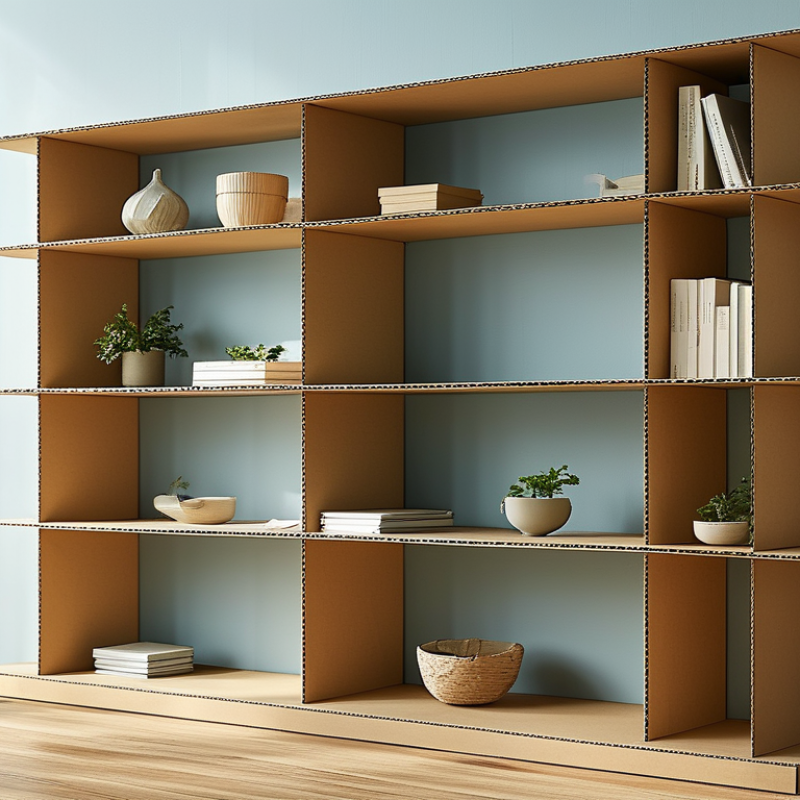
10 Best Tips for Designing a Stable Cardboard Floor Rack?

Understanding the Fundamentals of Cardboard Floor Rack Design

Designing a stable cardboard floor rack requires a deep understanding of its fundamental principles. Cardboard, while lightweight, must support considerable weight without collapsing. Therefore, it’s vital to choose the right materials and construction methods. The type of cardboard affects durability. Rigid, double-walled cardboard often provides more strength than single-walled options. Selecting the right thickness is also essential.

Another crucial aspect is the design itself. A well-structured rack distributes weight evenly. Designers must consider dimensions carefully. Too tall or narrow can lead to instability. Simple triangular bracing can enhance strength. Always think about user interaction. A rack that is too high might pose safety risks. Ensuring accessibility is key to functionality.

Testing is a significant yet often overlooked part of the design process. Prototypes should be rigorously assessed for weight limits. Real-world conditions can reveal weaknesses that aren’t apparent on paper. Smaller adjustments can lead to significant improvements later. Feedback from users can guide design refinements. Embracing imperfections in the prototype might lead to innovative solutions.

10 Best Tips for Designing a Stable Cardboard Floor Rack

Tip Number Design Element Description Importance
1 Material Selection Choose high-quality cardboard for durability. High
2 Weight Distribution Ensure even weight distribution across the rack. Critical
3 Bracing Use diagonal bracing to improve stability. High
4 Size Design Design optimal dimensions for the intended products. Moderate
5 Layer Design Integrate multiple layers to accommodate various heights. High
6 Accessibility Design for easy access to all products. Important
7 Load Testing Test rack stability under maximum load conditions. Essential
8 Color Coding Use colors for better organization of products. Moderate
9 Sustainability Incorporate eco-friendly materials in design. High
10 Assembly Instructions Provide clear assembly instructions for users. Important

Selecting the Right Materials for Stability and Durability

When designing a stable cardboard floor rack, selecting the right materials is crucial. Cardboard’s thickness and quality can significantly impact durability. Opt for double-walled cardboard for added strength. This material can support heavier items without buckling. Using high-quality adhesive also enhances stability. It binds the cardboard securely, reducing the risk of collapse.

Another tip involves choosing the right base. A wider base provides more support. You may consider adding reinforcements like wooden slats or metal brackets. These materials can offer additional stability and prolong the rack’s lifespan. However, balance is necessary. Too much reinforcement can add unnecessary weight and complexity.

Remember, the design should allow for flexibility. If a rack needs to adapt to different heights or items, consider using adjustable shelves. This feature can enhance the usefulness of the rack. Be open to refining your design as you build. Sometimes trial and error leads to the best solutions in creating a reliable cardboard floor rack.

Incorporating Weight Distribution Techniques for Enhanced Support

When designing a cardboard floor rack, weight distribution is crucial for stability. A well-balanced rack can hold more items without collapsing. Start by understanding the total weight your rack needs to support. Place heavier items at the bottom and lighter items on top. This method lowers the center of gravity, enhancing support.

Using triangular or rectangular bases can improve stability. These shapes distribute weight more evenly. Consider adding cross-bracing techniques, which provide extra support. These small adjustments can make a big difference in how much weight the rack can handle.

Test the structure by gradually adding items, observing where any weaknesses may lie. Taking time to reflect on your design is essential. Make adjustments based on testing results. Observe how it interacts with different weights.

Not every design will work perfectly right away. Be prepared to iterate and refine until you achieve optimal stability. Finding the right balance in your design not only enhances the rack's durability but also boosts your confidence in its reliability.

Designing for Accessibility and User-Friendliness in Floor Racks

Accessibility and user-friendliness are critical when designing a cardboard floor rack. Start by considering the height of the rack. It should be within reach for users of all average heights. A height between 30 to 36 inches works well. This range helps prevent strain when loading or unloading items. Think about the weight capacity too. Cardboard is lightweight but needs reinforcement in certain areas. Providing stability can ensure safety for users.

Next, incorporate easy-to-use features. Use clear signage or labels to guide users. This is essential, especially for those with visual impairments. Consider adding open shelves instead of closed compartments. It allows for easy visibility and access. Users can quickly identify and retrieve items without frustration. Use rounded edges for safety. Sharp corners can lead to injuries if users rush or are distracted.

Reflecting on feedback is vital. Test the design with actual users. They can provide insights into functionality and ease of use. You may find that certain aspects don't meet expectations. For instance, a rack designed for heavy items may become unsteady. This can compromise safety. Continuous improvement based on user experiences can lead to better designs. The goal should always be to create a welcoming, functional, and safe environment for all users.

Testing and Iterating Your Cardboard Rack Design for Optimal Performance

Testing and iterating your cardboard rack design is crucial for achieving optimal performance. Start with a basic structure, but don't expect it to be perfect on the first try. Use lightweight materials, but ensure stability. Test different shapes and configurations to find what works best. Consider load capacity during each test. Document each iteration to track what changes lead to improvements.

Conduct stress tests with various weights. Monitor how the rack holds up over time. Are there areas that bend or buckle? This feedback is essential for refining your design. Gather insights from users too. Their experiences can highlight flaws you might overlook. Repeated testing will uncover weaknesses in your design that need addressing.

Be ready to make adjustments based on feedback. Sometimes, the most minor changes can lead to significant enhancements. Don’t shy away from exploring unconventional ideas. Embrace the feedback loop; it’s part of the design process. Iteration might not lead to immediate success, but it will guide you towards a robust final product.

Cardboard Rack Stability Testing Results

FAQS

: What materials should I use for a cardboard floor rack?

: Use double-walled cardboard for better strength. High-quality adhesive is also essential for durability.

How can I ensure my rack is stable?

A wider base improves stability. Adding reinforcements, like wooden slats, can offer extra support without excessive weight.

What should I consider in the design?

Design dimensions carefully. A well-structured rack distributes weight evenly. Avoid making it too tall or narrow.

Why is testing important in rack design?

Testing identifies weaknesses. Real-world conditions reveal issues not visible on paper. Iterative adjustments lead to improvements.

How can I adapt my design for different needs?

Consider using adjustable shelves. This allows flexibility for various heights and items.

What should I do if my prototype has flaws?

Embrace imperfections. Feedback and iterations often lead to better design solutions over time.

How should I document my design process?

Track changes and testing results. Noting what works or fails is essential for refining your design.

Is it necessary to make many prototypes?

Yes, multiple prototypes help identify the best features. Don’t expect perfection on the first try; learn from each iteration.

What common issues arise during testing?

Areas may bend or buckle under weight. Identifying these issues early is crucial for design refinement.

Should I rely on user feedback?

Absolutely. User insights can highlight flaws you might miss. Their experiences are valuable for improving your design.

Conclusion

When considering how to design a stable cardboard floor rack, it's essential to understand the fundamental principles of rack design. Selecting the right materials is crucial for ensuring stability and durability, as it directly impacts the rack's ability to hold weight and withstand use over time. Additionally, incorporating weight distribution techniques can enhance support, preventing potential collapses and improving the overall safety of the structure.

Accessibility and user-friendliness are also vital components in designing an effective floor rack. A well-thought-out design should cater to users' needs, making it easy to access and utilize the rack. Finally, testing and iterating your cardboard rack design is necessary to identify any weaknesses and optimize performance. Continuous improvement through feedback and assessment ensures the rack is not only sturdy but also functional for its intended purpose.

Sophia

Sophia

Sophia is a dedicated marketing professional with an exceptional depth of knowledge about her company's products and services. With a keen understanding of market trends and customer needs, she crafts insightful blog posts that not only inform but also engage readers, enriching the company’s online......