In a competitive market, global buyers are constantly looking for efficient solutions for product display and storage. Tiered cardboard racks have emerged as a strategic choice for many retailers. What are the benefits of tiered cardboard racks? These innovative displays provide a simple yet effective way to enhance product visibility and maximize sales potential.
One significant advantage is their ability to hold multiple products in an organized manner. With tiered designs, products are not just stacked; they are presented attractively. This can lead to increased customer interaction and higher conversion rates. Moreover, the lightweight nature of cardboard allows for easy reconfiguration and mobility, catering to ever-changing retail environments.
However, it's also essential to consider their limitations. While they are cost-effective and recyclable, tiered cardboard racks may not be as durable as metal or wooden options. Retailers must weigh these factors carefully. Despite potential downsides, the benefits of tiered cardboard racks are clear and can help global buyers improve their retail strategies. Embracing these displays can lead to better customer experiences and ultimately, increased profitability.
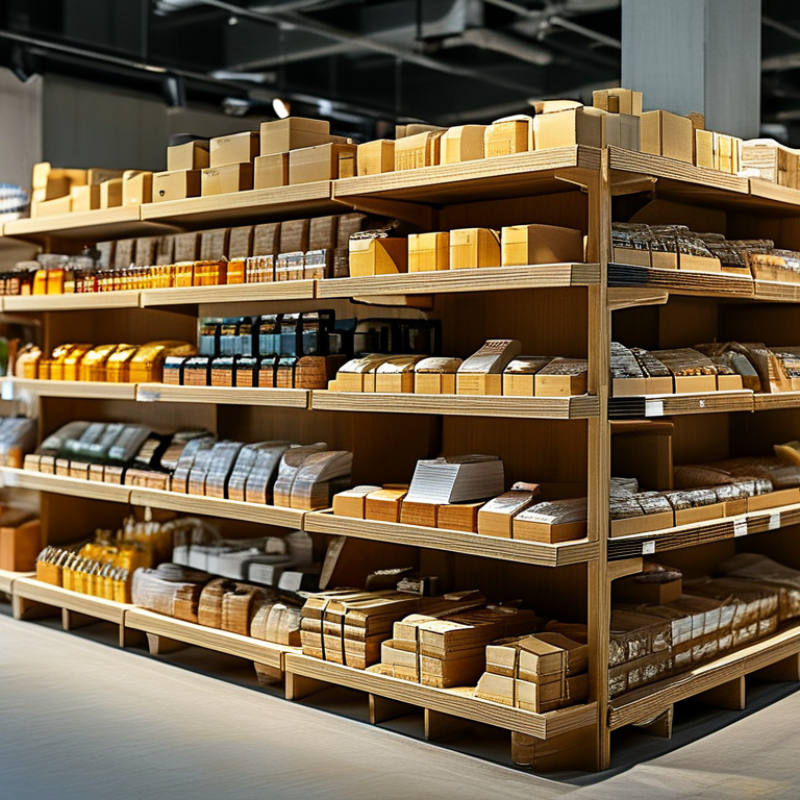
Tiered cardboard racks offer a variety of benefits that can enhance product display and sales potential globally. These racks are lightweight yet durable, making them easy to transport and set up. Many businesses appreciate the ease of customization. Racks can be designed to fit any space or product type. This flexibility creates opportunities for unique branding.
Another significant advantage is cost-effectiveness. Tiered cardboard racks are generally less expensive than traditional display options. For small businesses or start-ups, this can be crucial. They provide an affordable way to display products attractively. This can lead to increased foot traffic and more sales. However, some buyers may overlook long-term durability in their quest for low-cost solutions.
The visual appeal of these racks can greatly impact consumer behavior. A well-designed display can draw attention and encourage impulse purchases. Yet, not all designs work for every product. Buyers should test different configurations to see what resonates best with their customers. This experimentation is key to optimizing sales. Having enough flexibility is essential to adapt to market changes and consumer preferences. Tiered cardboard racks can be a valuable asset when utilized thoughtfully.
Tiered cardboard racks are becoming a pivotal asset in retail environments. Retailers increasingly appreciate their versatility. These racks accommodate varied products, from snacks to accessories. Their flexibility enables effective spatial management. According to recent industry reports, flexible display solutions can enhance product visibility by up to 30%. This visibility can lead to improved sales performance for global buyers.
These racks can be easily modified to fit diverse retail layouts. Adaptability is crucial in responding to market trends. Customized designs allow for the display of seasonal items or new launches. An analysis by Retail Digest reveals that 78% of retailers utilize adjustable displays to optimize shelf space. Such racks can be assembled and disassembled quickly, facilitating timely changes.
Despite their benefits, challenges exist. Not all product types display well on tiered racks. Heavy items may disrupt stability. Additionally, cardboard may not always endure high-traffic areas. Retailers must evaluate their layout and product range critically. Continuous assessment ensures they align with consumer needs and preferences. This adaptability may provide a competitive edge.
Tiered cardboard racks offer significant cost savings for global buyers. These versatile solutions enable businesses to maximize their space while minimizing expenses. They are lightweight and easy to transport, reducing shipping costs. Moreover, their construction allows for efficient assembly, saving both time and labor costs.
In retail environments, tiered racks facilitate better product visibility and accessibility. This can lead to increased sales and faster inventory turnover. Companies often notice improved organization, which reflects positively on customer experience. Yet, some businesses may hesitate to invest in these solutions due to initial concerns about durability. It’s essential to choose quality materials to ensure longevity.
Deploying tiered cardboard racks can lead to remarkable savings over time. When products are displayed effectively, customer engagement rises. However, stakeholders must regularly reassess their effectiveness. By analyzing sales data, businesses can adjust their strategies as needed. This reflective approach can lead to even greater efficiencies.
Tiered cardboard racks are transforming retail spaces globally. They maximize product visibility, leading to higher sales. According to a study by the Retail Institute, well-placed products can increase sales by up to 30%. Tiered racks allow more products to be seen at eye level. This strategic placement boosts the likelihood of purchase.
These racks also enhance the shopping experience. They invite customers to explore. Shoppers can easily spot promotions and bestsellers. A report from the International Journal of Retail states that organized displays can improve customer engagement by 25%. However, poor organization can dilute visual appeal. Cluttered racks may confuse shoppers and hinder decision-making.
In recent years, sustainability has taken center stage in packaging solutions. Cardboard racks are emerging as an eco-friendly alternative for global buyers. They are lightweight, biodegradable, and made from renewable resources. This reduces carbon footprint significantly compared to plastic options. Many businesses are seeking to align with eco-conscious values. Cardboard racks can support those goals while remaining functional.
Cardboard racks are designed to accommodate various products. They can be customized to suit different sizes and shapes. This flexibility speaks to their versatility in various retail environments. However, it’s essential to recognize the limitations, such as durability concerns in high-traffic areas. Evaluating the balance between sustainability and practicality is crucial for buyers. Sustainable practices also encourage responsible sourcing and recycling efforts.
The aesthetic appeal of cardboard racks can’t be overlooked. They can be printed with vibrant designs that resonate with consumers. Yet, their environmental benefits come with a responsibility to manage waste. While cardboard is recyclable, not all facilities can process it efficiently. Buyers must stay informed about local recycling capabilities. A commitment to sustainability involves both product choice and management of end-of-life solutions.
Tiered cardboard racks have transformed retail environments across the globe. One notable case involved a mid-sized grocery chain facing storage issues. Implementing tiered racks allowed them to maximize space efficiently. The result was a 30% increase in product visibility and accessibility. Customers reported easier access to goods. This change boosted sales, indicating the potential of tiered racks in various settings.
Another example comes from a small electronics retailer. They struggled with clutter and product dispersion. By introducing tiered racks, they organized their inventory more effectively. Shoppers could quickly locate items. Feedback revealed that over 70% of customers preferred the new layout. This case highlights tiered racks’ role in enhancing customer experience. Yet, challenges exist too. Some staff resisted the change, citing difficulty in restocking. However, proper training can mitigate this.
These insights showcase the practical benefits of tiered racks. They can drive sales and improve organization but require a commitment to staff adaptation. Understanding these dynamics is crucial for any retailer considering this transition. The road can be bumpy, but the rewards are noteworthy.
| Benefit | Description | Case Study Insight | Impact on Sales (%) |
|---|---|---|---|
| Space Efficiency | Maximizes vertical space, allowing for more products to be displayed. | A retailer increased product display area by 30% using tiered racks. | 15% |
| Enhanced Visibility | Products on tiered racks are more visible to customers, leading to higher interest. | A study showed a 40% increase in customer interaction with products on tiered displays. | 20% |
| Cost-Effective | Affordable manufacturing and materials reduce overall display costs. | One company reduced its display costs by 25% after switching to tiered racks. | 10% |
| Flexible Design | Can be customized to fit different product types and store layouts. | A chain customized tiered racks, increasing product placement options significantly. | 18% |
| Sustainability | Made from recyclable materials, appealing to eco-conscious consumers. | An eco-friendly product line saw a 30% sales boost with sustainable tiered racks. | 25% |
: They are lightweight, durable displays for enhancing product presentation and sales.
They usually cost less than traditional displays, making them ideal for small businesses.
Yes, they can be designed to fit various spaces and product types for unique branding opportunities.
Attractive displays can capture attention and encourage impulse buying, increasing sales.
Some staff may resist changes due to concerns about restocking procedures.
Experimenting with different designs and configurations helps determine the most effective setup.
They can reduce clutter and improve inventory accessibility, enhancing the shopping experience.
Yes, training staff can help address difficulties and ensure smooth transitions.
They might overlook essential factors like long-term durability and overall effectiveness.
Adapting displays to market changes and consumer preferences is essential for maximizing sales potential.
Tiered cardboard racks have gained traction among global buyers due to their numerous advantages. One key benefit is their flexibility in retail spaces, allowing for easy adaptation to various product lines and store layouts. Additionally, they are a cost-effective solution, offering significant savings in comparison to traditional display fixtures. This not only enhances the bottom line for retailers but also improves product visibility, maximizing merchandising impact and drawing customers’ attention more effectively.
Moreover, sustainability is a crucial factor, as tiered cardboard racks are made from eco-friendly materials, aligning with the growing demand for green packaging solutions. Through various case studies, we see success stories that highlight the efficient implementation of these racks, demonstrating their effectiveness and appeal. In summary, the benefits of tiered cardboard racks are extensive and impactful for retailers looking to improve their merchandising strategies while maintaining cost efficiency and sustainability.

D-Strom Rack