What is the lifespan of a corrugated display rack? The honest answer depends on its design, setting, and daily workload. A lightweight rack in a quiet showroom may remain presentable for several months. A busy retail display can show wear within weeks. Corrugated fiberboard is practical, renewable, and cost-efficient. It is not indestructible.
From hands-on packaging and retail display experience, moisture causes the fastest decline. A rack near a refrigerator, entrance, or damp warehouse may soften at its edges. Heavy products can bend shelves, especially when weight is concentrated in one corner. Sunlight may also fade printed surfaces over time. Stronger flute profiles, reinforced panels, and accurate load placement usually improve service life. Clean floors matter too. Dust and spilled liquids often start small problems.
This 2026 guide examines realistic lifespan ranges, material quality, assembly, storage, and maintenance. It also explains when repair is sensible and when replacement is safer. A carefully built corrugated rack may serve for a seasonal campaign, while a protected unit may last longer. Still, advertised lifespan figures should be treated carefully. They often assume ideal conditions that stores rarely provide. That is an important limitation. Retail teams should inspect loose joints, bowed shelves, crushed corners, and moisture marks each day. A simple inspection record can reveal patterns before failure occurs. The goal is not to promise an exact number. It is to help buyers make a defensible decision based on actual use, product weight, traffic, and environment.
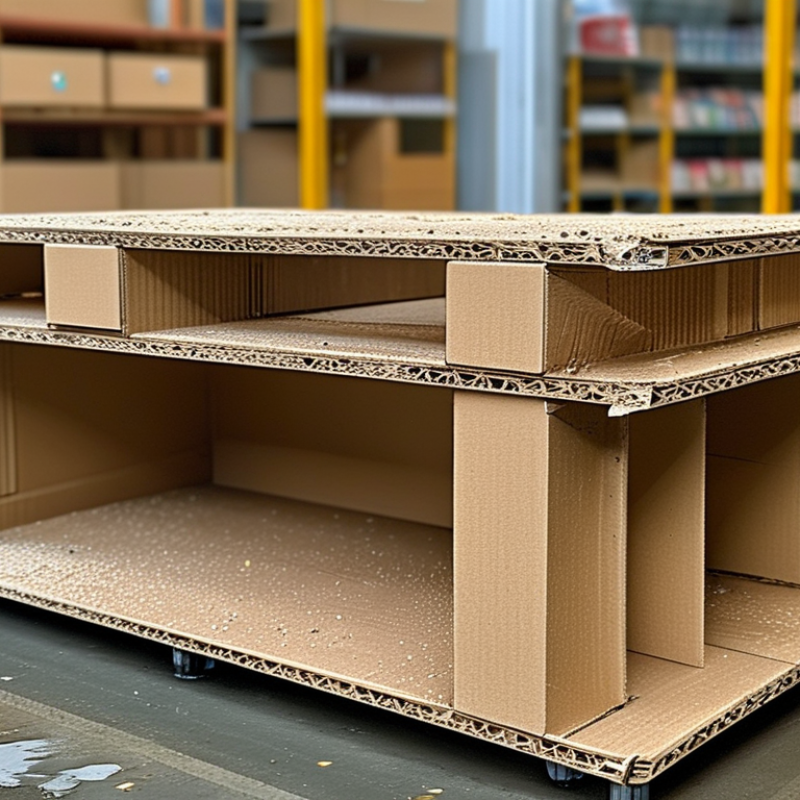
Definition and Purpose of a Corrugated Display Rack
A corrugated display rack is a lightweight retail fixture made from layered paperboard. Its fluted inner layer adds strength without making the structure heavy. The rack holds products at eye level and presents them in an organized, accessible way. It can also separate product varieties, show prices, and support seasonal merchandising.
In my experience, a well-designed rack works best near store entrances, checkout areas, or busy aisles. Its printed panels can explain product benefits while reducing the need for extra signs. A stable base matters. Uneven floors, overloaded shelves, and damp conditions can quickly weaken the board. Assembly also affects performance. Small alignment mistakes may create pressure points.
Many corrugated display racks serve for several weeks or months, depending on product weight, handling, humidity, and traffic. Light-duty racks may last through one campaign. Heavier structures can remain useful longer with careful placement. However, lifespan estimates are not guarantees. I have seen attractive displays fail early because shelves carried more weight than planned. Regular checks for bending, loose joints, and moisture stains help staff replace damaged parts before products fall. A reusable rack may seem more sustainable, but only when its structure survives repeated handling.
2026: What Is the Lifespan of a Corrugated Display Rack?
A corrugated display rack is a lightweight retail fixture made from layered paperboard. It is designed to present products, organize merchandise, and support short- to medium-term promotional displays.
Typical service life: Corrugated display racks commonly remain functional for approximately 3–12 months, depending on store traffic, product weight, humidity, handling, and replenishment frequency. These values are practical planning estimates rather than fixed guarantees.
Key Factors That Determine Its Lifespan
A corrugated display rack rarely has one fixed lifespan. In a dry indoor shop, a well-designed unit may remain presentable for three to twelve months. Heavy products, frequent restocking, and crowded aisles can shorten that period sharply. The paper structure works well, but it is not metal. That distinction matters. In my experience, the first warning is usually a soft shelf edge, not a sudden collapse. A rack near a doorway may absorb humid air, dust, and occasional splashes. Moisture weakens the fluted core and can make shelves sag.
Load distribution is another major factor. A shelf carrying small, evenly spaced packages lasts longer than one holding a dense stack centrally. Designers should check compression strength, shelf span, locking tabs, and base footprint before production. Assembly quality matters too. A partly engaged tab can shift weight onto one corner. Then damage spreads quickly. I once saw a display fail after repeated careless replenishment, although its paperboard specification looked adequate. The specification was not the whole story. Handling was the missing variable.
Sunlight can fade printed surfaces and dry some coatings, while high humidity reduces stiffness. Store staff should keep the rack away from leaking coolers, open doors, and floor-cleaning water. Rotate stock gently. Do not drag the unit when moving it. Weekly checks should look for leaning panels, crushed corners, loose joints, and dampness. Replace a damaged shelf early. Waiting for visible failure is a poor test. Lifespan estimates should come from actual load trials and the intended retail environment, not only laboratory figures. That point is easy to overlook.
Typical Lifespan Under Different Usage Conditions
2026 Top: What Is the Lifespan of a Corrugated Display Rack?
Typical Lifespan Under Different Usage Conditions
A corrugated display rack usually lasts from several weeks to several months. Its true lifespan depends more on conditions than on the calendar. In a dry indoor shop, a well-built rack may remain presentable for three to six months. Light products help it keep shape. Heavy items shorten that period quickly. This is a practical estimate, not a promise.
For a short promotion, lasting two to eight weeks is common. Frequent customer handling creates crushed corners, loose shelves, and surface scuffs. Near a doorway, moisture can soften the board within days. Direct sunlight may fade printed panels before the structure fails. A cool, dry aisle gives the best results. Keep the base level. Check it weekly.
In low-traffic areas, the rack can sometimes serve six to twelve months. That longer period requires light loads, careful restocking, and no floor contact with water. During store inspections, I look for bowing shelves, leaning sides, and damp edges. These signs matter more than appearance alone. A display may look clean yet feel unstable. I have also seen racks replaced too early because minor marks seemed unacceptable. That is worth reconsidering. Safety and product weight should decide the replacement date, not appearance alone. Board grade, coating, joint design, and assembly quality also change the result.
Signs That a Corrugated Display Rack Needs Replacement
A corrugated display rack often lasts several months to one year indoors. Its actual lifespan depends on load, humidity, handling, and assembly frequency. In busy retail areas, damage can appear much earlier. I have seen racks fail because staff dragged them instead of lifting them.
Sagging shelves are an immediate warning sign. They may no longer support the advertised product weight safely. Check the bottom panels, locking tabs, and vertical folds each day. Loose joints, leaning sides, or widening gaps indicate structural weakness. Do not add extra stock to compensate for empty spaces.
Moisture causes quieter damage. Soft corners, rippled surfaces, stains, and a musty smell suggest weakened fibers. Replace the rack if it has touched water, even when the outer print still looks acceptable. Faded graphics, peeling edges, and crushed corners also reduce customer confidence. Small marks are harmless. Deep creases are different.
Movement can reveal hidden problems. If the rack rocks on a level floor, inspect its base and connectors. A rack that needs repeated taping is probably beyond reliable use. I once kept a slightly bent unit because replacement felt wasteful. It collapsed during restocking. That mistake changed my inspection routine. Record the rack’s condition, load, and environment before deciding. There is no perfect lifespan. A clean, dry rack may last longer, but safety and presentation should control replacement timing.
Ways to Extend the Rack’s Service Life
2026 Top What Is the Lifespan of a Corrugated Display Rack?
A corrugated display rack commonly lasts three to twelve months in retail use. Its real lifespan depends on load, humidity, handling, and restocking frequency. A rack near a chilled aisle may soften within weeks. A dry, low-traffic location can support longer service. FEFCO’s 2023 European Database reports an approximately 82% recycling rate for paper-based packaging in Europe. This supports corrugated’s circular value, but recycling does not excuse poor rack design. A weak shelf still creates waste.
Ways to Extend the Rack’s Service Life
Keep the rack away from floor moisture, leaking coolers, and direct sunlight. Use the manufacturer’s load limit, even when the shelf appears strong. Heavy products belong on lower shelves. Rotate stock gently instead of dragging cartons across the surface. Inspect corners, shelf slots, and the base every day. Small bends matter. They often become sudden failures.
Tips: Add a raised plastic or coated board beneath the base. Maintain clear spacing around the rack for airflow. Replace a rack when shelves sag, edges split, or the structure leans. ISTA distribution testing and TAPPI compression methods can help verify performance before launch. Still, laboratory results may not mirror a busy store. That gap deserves attention. A short trial in the actual retail environment can reveal humidity, impact, and cleaning problems that testing misses.
2026 Top What Is the Lifespan of a Corrugated Display Rack? - Ways to Extend the Rack’s Service Life
| Use Environment |
Typical Service Life |
Approximate Display Duration |
Main Wear Factors |
Recommended Maintenance |
Risk Level |
| Clean, dry indoor retail area |
3–6 months |
12–26 weeks |
Routine handling, shelf loading, dust, and minor edge abrasion |
Keep the rack dry, remove dust with a soft cloth, and avoid dragging products across the shelves |
Low |
| High-traffic retail area |
1–3 months |
4–12 weeks |
Frequent customer contact, shelf impacts, product replacement, and overloaded tiers |
Inspect weekly, keep products within the rated load, and replace damaged shelf inserts promptly |
Medium |
| Temporary trade show or event use |
1–10 uses |
1 day–several weeks |
Folding, transport, repeated assembly, compression, and contact with rough floors |
Use a protective carton during transport, minimize folding, and store flat in a dry location |
Medium |
| Warehouse or stockroom with limited handling |
2–5 months |
8–20 weeks |
Forklift or cart contact, stacking pressure, dust, and uneven flooring |
Place the rack on a level surface, maintain clearance from equipment routes, and prevent stacking on top |
Medium |
| Humid indoor environment |
2–8 weeks |
2–8 weeks |
Moisture absorption, softening, warping, loss of compression strength, and adhesive weakening |
Maintain good ventilation, keep the rack away from wet floors and exterior doors, and use moisture-resistant packaging where suitable |
High |
| Outdoor or partially sheltered location |
1–14 days |
1–14 days |
Rain, condensation, ultraviolet exposure, wind, dirt, and temperature changes |
Use only for short-term campaigns; provide full weather protection and remove the rack before moisture exposure |
High |
| Light product load within the rated capacity |
4–6 months |
16–26 weeks |
Normal compression fatigue and gradual surface wear |
Distribute products evenly and keep heavier items on lower shelves |
Low |
| Heavy or uneven product load |
1–8 weeks |
1–8 weeks |
Shelf deflection, crushed edges, leaning, joint failure, and bottom-panel deformation |
Follow the load rating, reduce concentrated weight, and replace any shelf showing bending or crushing |
High |
Service-life figures are practical industry estimates for ordinary corrugated paperboard displays. Actual performance depends on board grade, flute structure, moisture resistance, construction quality, product weight, handling frequency, and storage conditions. Remove the rack from service if it becomes wet, unstable, visibly crushed, or unable to support its intended load.
Conclusion
A corrugated display rack is a lightweight, practical structure made from layered paperboard, designed to present products in retail stores, exhibitions, and temporary promotional areas. What is the lifespan of a corrugated display rack depends on several factors, including material thickness, construction quality, product weight, humidity, temperature, handling frequency, and placement. Under clean, dry, and low-traffic conditions, it may remain functional for several months or longer. In busy retail environments, its useful life may be reduced to a few weeks or months, especially when it is frequently moved or heavily loaded.
Replacement may be necessary when the rack shows bending, surface damage, weakened joints, moisture marks, unstable shelves, or difficulty supporting products safely. To extend its service life, keep it away from water and excessive heat, distribute weight evenly, avoid overloading, place it on a level surface, and handle it carefully during transportation. Regular inspections and timely adjustments can also help maintain its appearance, stability, and effectiveness.

 D-Strom Rack