2026 How to Source Trending Modular Cardboard Racks?

Time:2026-10-08 Author:Ethan
0%

In 2026, modular cardboard racks are moving beyond temporary retail displays. Retailers want flexible fixtures that ship flat, assemble quickly, and fit changing product lines. Why modular cardboard racks are trending is not only about lower costs. They can reduce storage pressure, simplify seasonal updates, and create useful shelf space in small stores.

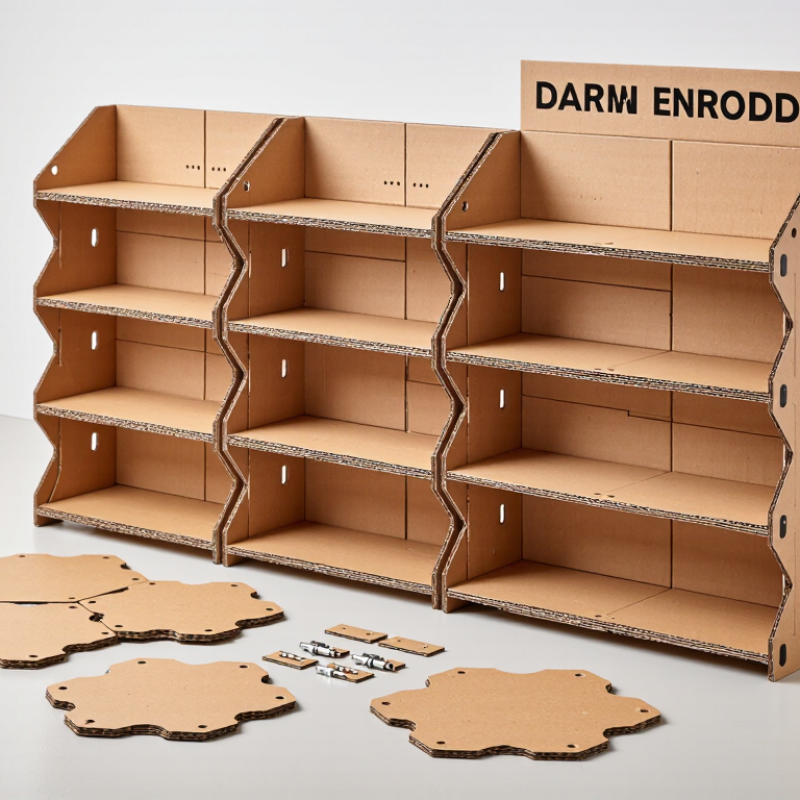
A well-designed rack may use honeycomb boards, reinforced edges, printed headers, and tool-free locking tabs. These details matter when a display holds boxed snacks, cosmetics, books, or lightweight electronics. Yet appearance alone cannot prove quality. The sourcing process should examine board grade, load capacity, moisture resistance, print accuracy, and replacement-part availability. Samples should be assembled on a real sales floor, not only photographed in a studio. Watch for leaning shelves, crushed corners, loose joints, and unclear instructions. Small flaws become expensive at scale.

This guide presents a practical way to identify trending designs and reliable manufacturing partners in 2026. It considers customization, minimum order quantities, lead times, packaging, and total landed cost. It also reviews recycled content, responsible forestry claims, and end-of-life recycling guidance. Certifications can help, but current documents should be checked against production samples. The cheapest quotation is rarely the complete answer. Still, every project has limits. A premium finish may not suit a short campaign, while a basic structure may fail under repeated handling. The strongest choice balances visual impact, verified performance, budget, and genuine operational needs.
2026 How to Source Trending Modular Cardboard Racks?

Market Trends Shaping Modular Cardboard Racks in 2026

In 2026, modular cardboard racks are moving beyond temporary display use. Retailers want lighter fixtures that support quick layout changes, smaller shipments, and lower material waste. The strongest demand appears in pop-up stores, seasonal campaigns, and compact urban outlets. Tool-free connectors matter because staff can rebuild a rack without specialist equipment. They also reduce downtime during product rotations.

Market trends are pushing suppliers toward recycled fibers, water-based inks, and mono-material designs. These choices simplify recycling after use, but they do not guarantee strong performance. Moisture, shelf load, and repeated handling can weaken cardboard quickly. I recommend requesting compression data, edge-crush results, and a physical sample before approval. A rack that looks sturdy in a photograph may fail beside a busy checkout.

Digital printing is making shorter, localized runs more practical. Buyers can test a color, message, or shelf configuration before ordering at scale. Yet customization can increase lead times and create unnecessary revisions. A clear dieline, assembly guide, and replacement-panel plan improve reliability. Suppliers should explain fiber origin, test methods, and expected service conditions. I have found that the cheapest quote is rarely the most efficient choice. It may ignore freight volume, setup labor, or damaged-unit replacement.

Key Features and Applications of Modular Cardboard Racks

Modular cardboard racks are moving beyond temporary displays. Their strongest advantage is adaptability: shelves, dividers, and headers can be reconfigured without metal tools. That matters in seasonal retail. Smithers’ 2024 study forecasts the global corrugated packaging market at about US$205 billion by 2029. The report connects growth with e-commerce, shelf-ready formats, and recyclable fiber demand. These trends support racks that ship flat and assemble quickly.

Good racks use double-wall or reinforced board at load points. Flat-packed joints should lock firmly, yet separate cleanly during replacement. Rounded edges, moisture-resistant coatings, and readable load limits improve daily handling. Retailers can use them for cosmetics, snacks, books, promotional samples, and lightweight household goods. Small stores gain flexible vertical space. Events gain faster setup. Grand View Research projects the global corrugated box market to grow at roughly 3% annually through 2030, supporting wider use of fiber-based merchandising structures.

Yet cardboard is not automatically durable. Humidity can soften panels, while overloaded shelves may bow. A rack that looks stable in a showroom may fail beside a chilled entrance. Test prototypes with real products, repeated handling, and uneven floors. Check edge-crush strength and joint wear before large orders. I would also leave spare dividers. Designs often change after launch. That weakness is easy to overlook.

How to Identify Reliable Modular Cardboard Rack Suppliers

2026 How to Source Trending Modular Cardboard Racks?

Reliable modular cardboard rack suppliers should offer more than attractive catalog images. Check the board grade, flute structure, connector strength, and tested load capacity. A useful sample should hold real products without leaning, tearing, or losing shape after repeated assembly. Ask for moisture-resistance details, especially if racks may stand near entrances or chilled displays. Clear drawings, packaging measurements, and assembly instructions also show technical competence.

Request a physical sample before placing a large order. Compare its dimensions with your display area and product weight. A dependable supplier explains production limits honestly. They should provide quality records, inspection procedures, material certificates, and realistic lead times. Visit the factory when possible, or arrange a documented third-party inspection. Communication matters too. Slow replies often become costly delays. Still, supplier interviews can mislead. A polished sample may not represent every production batch, so batch-level checks remain necessary.

Tips: Ask for a small pilot order. Confirm replacement policies for damaged parts. Review how modular joints perform after several assembly cycles. Check whether printed colors match the approved sample under store lighting. Do not choose the lowest quotation automatically. I have seen low prices hide thinner board, weaker slots, and higher replacement costs. One detail is easy to miss: confirm who pays for tooling changes. Reliable sourcing requires evidence, not promises.

How to Evaluate Materials, Design, Quality, and Sustainability

2026 How to Source Trending Modular Cardboard Racks?

Material evaluation starts with the rack’s actual workload. Check flute type, board thickness, recycled content, and moisture resistance. A sample should hold the intended products for several days. Test it on a hard floor. Then test it during transport. A perfect-looking sample can still fail at a loose slot. Ask suppliers for compression data, material specifications, and batch consistency records. Do not rely on attractive photographs.

Design should support quick assembly, stable stacking, and simple replacement. Measure every connection. Small cutting errors can create visible gaps. Modular panels should fit without excessive force or tape. Consider shelf height, product visibility, and access for store staff. Trending colors may attract attention, but neutral structures often adapt longer. The first prototype may wobble. That flaw is useful. It reveals where the design needs reinforcement.

Quality control should include edge inspection, load testing, and repeated assembly trials. Request pre-production samples before approving large quantities. Sustainability requires more than recycled cardboard claims. Review recycled fiber percentages, water-based inks, adhesives, packaging volume, and end-of-life sorting instructions. A lighter rack can reduce shipping emissions, but poor durability may increase waste. Ask for credible certificates and recent test reports. Supplier transparency matters. If evidence is vague, pause the order. And reconsider the brief.

How to Compare Costs, Customization, Production, and Delivery Options

2026 How to Source Trending Modular Cardboard Racks?

Sourcing modular cardboard racks requires more than comparing the lowest quotation. Ask suppliers to separate board material, printing, cutting, assembly, packaging, and freight costs. A rack using stronger corrugated board may cost more, but it can prevent shelf bending under heavier products. Request a physical prototype before approving mass production. Check its locking points, base stability, edge quality, and fit with your actual products. Details matter.

Customization can include shelf height, printed graphics, dividers, hooks, and tool-free assembly. However, every extra feature may increase tooling fees, production time, or minimum order quantities. Compare at least three quotations using the same dimensions and specifications. My first cost comparison missed inner packaging, which later affected the delivered price. That mistake was avoidable.

Tips: Request a complete landed-cost sheet. Confirm board grade, ink type, sample approval, production capacity, inspection steps, and replacement terms. Ask whether the rack ships flat-packed, then calculate storage savings and assembly labor. Production schedules often change during seasonal demand, so obtain a written timeline with milestone dates. For delivery, compare express, air, and sea freight using carton size, weight, destination, and customs responsibilities. Keep evidence. Photos, signed drawings, and approved samples reduce misunderstandings. Also test the rack in a humid location if it will be displayed near entrances or open windows.

FAQS

Why are modular cardboard racks becoming more popular in 2026?

Retailers need lighter fixtures, smaller shipments, and faster layout changes.

What materials should buyers check before ordering?

Review flute type, board thickness, recycled fiber content, and moisture resistance.

How can a buyer test rack strength?

Place the intended products on a sample for several days.

What design features support efficient store use?

Choose tool-free assembly, stable stacking, and replaceable panels.

Why are digital printing and short production runs useful?

Buyers can test colors, messages, and shelf layouts before scaling orders.

Does recycled cardboard guarantee a sustainable rack?

No. Sustainability also involves inks, adhesives, packaging volume, and recycling instructions.

What quality checks should happen before mass production?

Request a pre-production sample before approving the full quantity.

How should buyers compare supplier quotations?

Include freight volume, setup labor, replacement panels, and damaged-unit costs.

Conclusion

In 2026, modular cardboard racks are gaining attention as retailers and event organizers seek flexible, lightweight, and environmentally responsible display solutions. Why modular cardboard racks are trending is closely connected to their easy assembly, efficient storage, adaptable layouts, and suitability for short-term promotions or permanent retail use. Their key features may include interchangeable panels, adjustable shelves, printed surfaces, and designs that support products of different sizes. These racks can be used in stores, exhibitions, pop-up spaces, warehouses, and promotional campaigns.

When sourcing modular cardboard racks, buyers should assess suppliers based on production experience, communication, quality control, and delivery reliability. Material strength, surface finishing, structural safety, visual design, recyclability, and responsible manufacturing should all be carefully evaluated. Cost comparisons should include customization, prototyping, packaging, shipping, minimum order quantities, and production timelines rather than focusing only on the unit price. A reliable supplier should provide clear specifications, practical samples, consistent quality, and flexible solutions that balance appearance, durability, sustainability, and budget.

Ethan

Ethan

Ethan is a seasoned marketing professional with a deep expertise in our company's innovative product line. With a passion for sharing knowledge and insights, he takes the lead in regularly updating our corporate blog, where he explores industry trends, product features, and effective marketing......